An embassy is not simply an office building with a flag outside. It is one of the most technically demanding and institutionally complex construction projects a contractor can take on. The combination of security requirements, diplomatic compliance, precision finishes, and the sheer number of stakeholders involved puts embassy construction in a category of its own.
For developers, governments, and diplomatic missions commissioning construction in Ethiopia, understanding what that complexity actually involves — and what to look for in a contractor — can be the difference between a project that reflects the standards of the institution it houses and one that falls short.
A Compound, Not a Building
The first thing to understand about embassy construction is the scope. A modern diplomatic compound is rarely a single building. It typically includes a chancery — the main office building where diplomatic work is conducted — an ambassador’s or head of mission’s residence, staff housing, consular facilities where visas and citizen services are handled, a multipurpose hall, service quarters, guard posts, vehicle access control infrastructure, and perimeter security systems.
Each of these components has its own functional requirements, its own finish standard, and its own place in the compound’s security hierarchy. Managing them as an integrated project — where the sequencing of one affects the delivery of another — requires a contractor with genuine project management depth, not just construction capability.
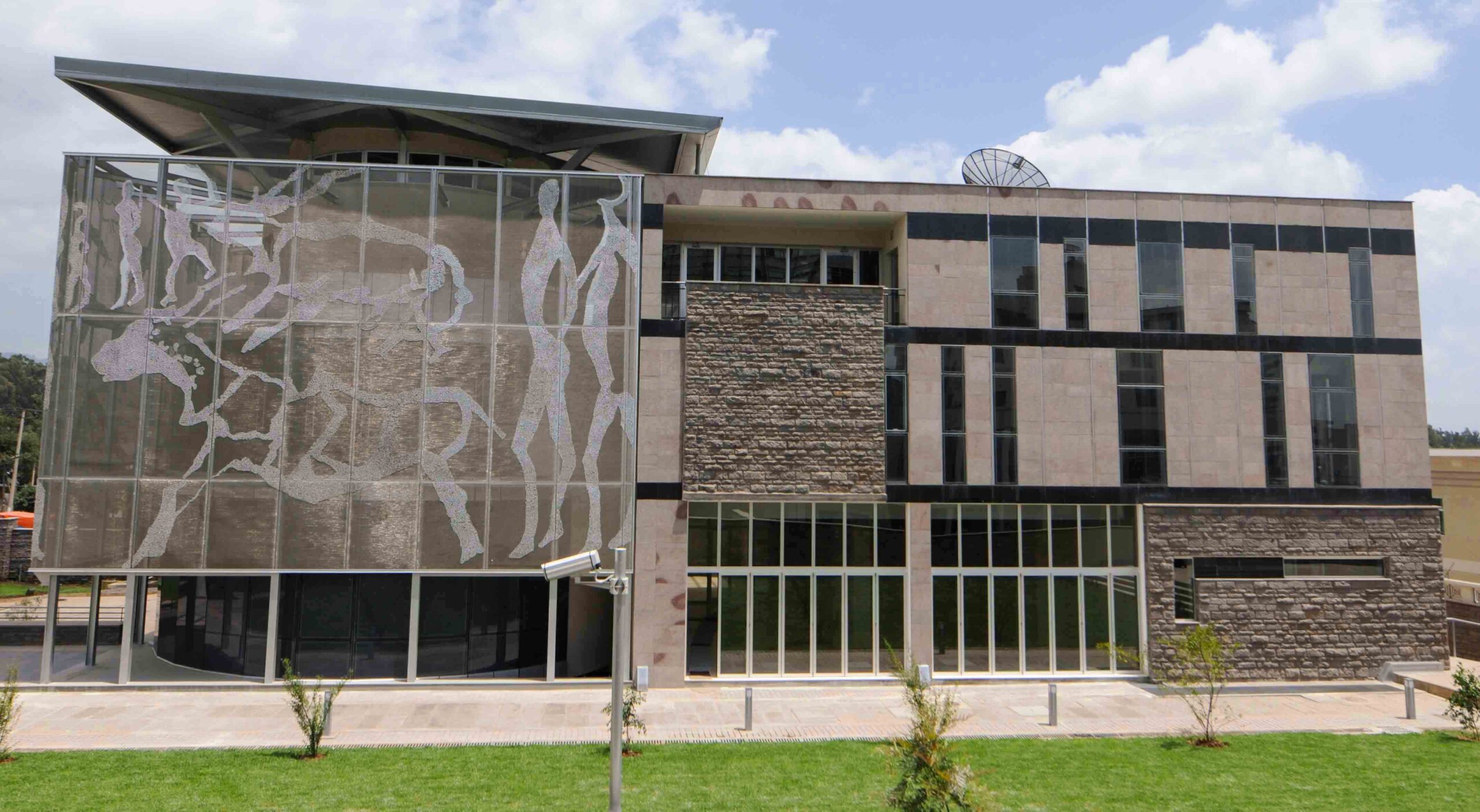
The Royal Netherlands Embassy in Addis Ababa, completed by Elmi Construction in 2005, encompassed a new chancery, the ambassador’s residence, and staff housing, all designed to respect the site’s existing topography and vegetation. The Embassy of India, completed in 2019, included a chancery, consular building, staff residences, a multipurpose hall, service quarters, and a heritage building that was renovated and converted into a museum and cultural center. These are not single-building projects. They are campus-scale developments with multiple simultaneous workstreams, each held to the same exacting standard.
Security Is Not an Add-On
In most construction projects, security is considered during design and installed during fit-out. In embassy construction, security is a foundational consideration that can shape the site plan, structural specification, materials selection, access routes, and finish of external surfaces.
Modern diplomatic facilities may be designed to resist a range of physical threats. Depending on the threat assessment and project requirements, this can include blast-resistant construction, reinforced concrete structures, blast-resistant glazing, perimeter standoff distances, forced-entry resistance, and ballistic resistance standards for doors, windows, and wall assemblies. Vehicle access control infrastructure may also need to be engineered to stop a moving vehicle without compromising the aesthetic of a compound that also serves as the public face of a diplomatic mission.
The DH ONE Elevation Diplomatic Residence in Addis Ababa, delivered by Elmi Construction, was specifically described by Elmi as meeting security, seismic, and international standards. Seismic compliance is particularly significant in the Ethiopian context. Addis Ababa sits within the East African Rift Valley, a zone of active geological activity. Buildings that house diplomatic personnel must be engineered to perform under seismic loading conditions appropriate to the project’s requirements.
A contractor who has not built to these standards before cannot simply read a specification and deliver. The knowledge of how security-focused construction actually behaves during execution — how materials are sourced and verified, how structural detailing is managed, how the interface between security systems and building fabric is coordinated — comes from having done it. It is not transferable from a standard commercial portfolio.