What Makes an Embassy Build Different From Any Other Construction Project

DSC_0726_2

An embassy is not simply an office building with a flag outside. It is one of the most technically demanding and institutionally complex construction projects a contractor can take on. The combination of security requirements, diplomatic compliance, precision finishes, and the sheer number of stakeholders involved puts embassy construction in a category of its own.

For developers, governments, and diplomatic missions commissioning construction in Ethiopia, understanding what that complexity actually involves — and what to look for in a contractor — can be the difference between a project that reflects the standards of the institution it houses and one that falls short.

A Compound, Not a Building

The first thing to understand about embassy construction is the scope. A modern diplomatic compound is rarely a single building. It typically includes a chancery — the main office building where diplomatic work is conducted — an ambassador’s or head of mission’s residence, staff housing, consular facilities where visas and citizen services are handled, a multipurpose hall, service quarters, guard posts, vehicle access control infrastructure, and perimeter security systems.

Each of these components has its own functional requirements, its own finish standard, and its own place in the compound’s security hierarchy. Managing them as an integrated project — where the sequencing of one affects the delivery of another — requires a contractor with genuine project management depth, not just construction capability.

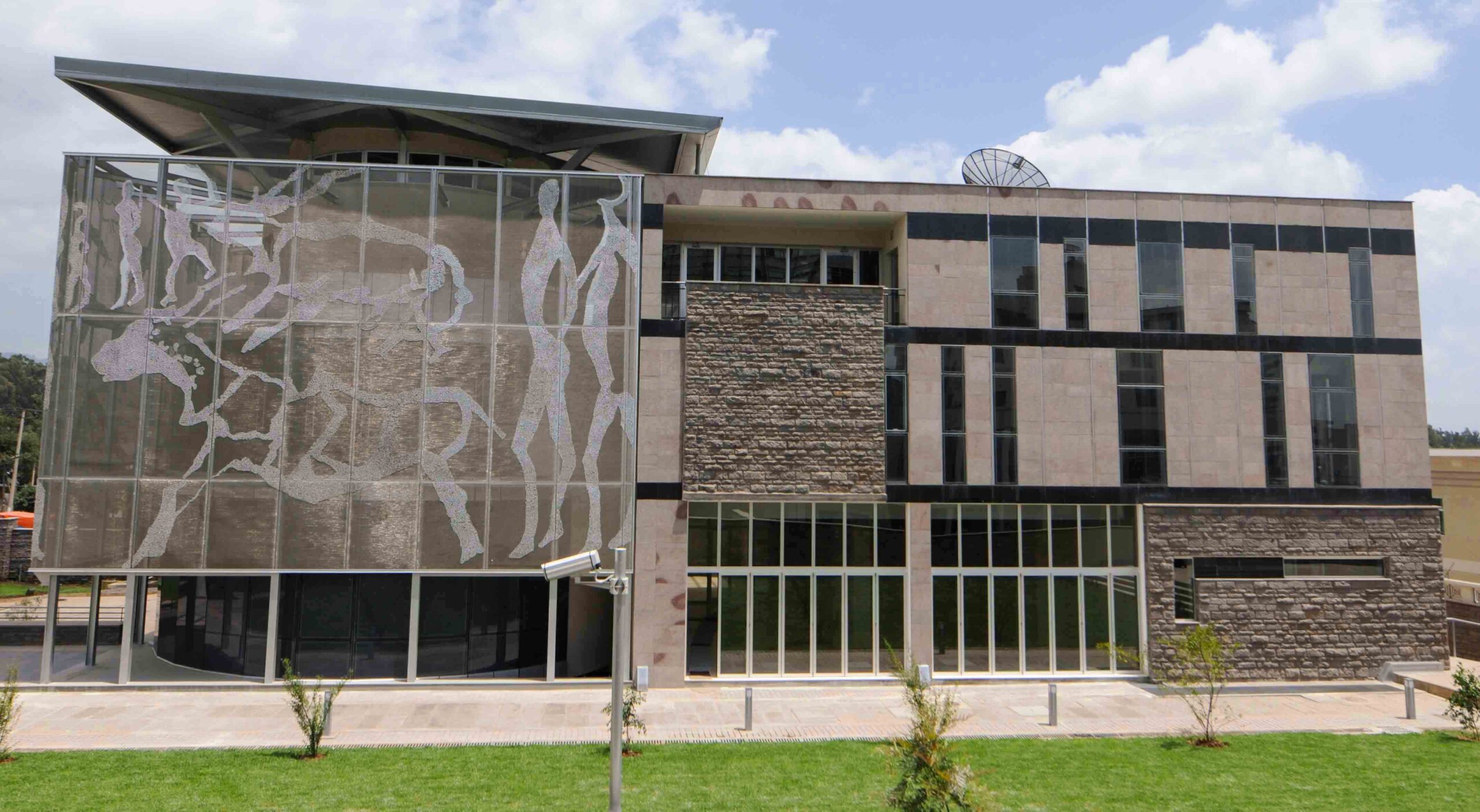
The Royal Netherlands Embassy in Addis Ababa, completed by Elmi Construction in 2005, encompassed a new chancery, the ambassador’s residence, and staff housing, all designed to respect the site’s existing topography and vegetation. The Embassy of India, completed in 2019, included a chancery, consular building, staff residences, a multipurpose hall, service quarters, and a heritage building that was renovated and converted into a museum and cultural center. These are not single-building projects. They are campus-scale developments with multiple simultaneous workstreams, each held to the same exacting standard.

Security Is Not an Add-On

In most construction projects, security is considered during design and installed during fit-out. In embassy construction, security is a foundational consideration that can shape the site plan, structural specification, materials selection, access routes, and finish of external surfaces.

Modern diplomatic facilities may be designed to resist a range of physical threats. Depending on the threat assessment and project requirements, this can include blast-resistant construction, reinforced concrete structures, blast-resistant glazing, perimeter standoff distances, forced-entry resistance, and ballistic resistance standards for doors, windows, and wall assemblies. Vehicle access control infrastructure may also need to be engineered to stop a moving vehicle without compromising the aesthetic of a compound that also serves as the public face of a diplomatic mission.

The DH ONE Elevation Diplomatic Residence in Addis Ababa, delivered by Elmi Construction, was specifically described by Elmi as meeting security, seismic, and international standards. Seismic compliance is particularly significant in the Ethiopian context. Addis Ababa sits within the East African Rift Valley, a zone of active geological activity. Buildings that house diplomatic personnel must be engineered to perform under seismic loading conditions appropriate to the project’s requirements.

A contractor who has not built to these standards before cannot simply read a specification and deliver. The knowledge of how security-focused construction actually behaves during execution — how materials are sourced and verified, how structural detailing is managed, how the interface between security systems and building fabric is coordinated — comes from having done it. It is not transferable from a standard commercial portfolio.

Embassy construction in Ethiopia

The Finish Standard Is Unforgiving

An embassy is a representation of a country. The chancery where visa applicants wait, the ambassador’s residence where heads of state are received, the consular offices where nationals seek assistance — every space communicates something about the institution it belongs to. The finish standard is therefore not a preference; it is a requirement.

This means precision in stonework, joinery, metalwork, and painting that goes beyond what most commercial construction delivers. It means coordinating specialist subcontractors — curtain wall fabricators, bespoke joinery suppliers, high-specification mechanical and electrical engineers — within a programme that cannot slip because a diplomatic mission’s opening has political significance. It means maintaining quality control across a compound where the client will inspect every space and hold the contractor accountable for every defect.

The chancery façade of the Embassy of India in Addis Ababa was constructed in ductile concrete and features architectural elements drawn from Indian design traditions. The consular office, staff residence, and multipurpose hall were designed with a blend of modern construction and cultural reference. Delivering that level of design specificity — where a client nation’s architectural identity is expressed in the finished building — requires a contractor who can execute to a design intent, not just to a generic specification.

Stakeholder Complexity Is Unlike Anything Else

On a standard commercial project, the primary client relationship is with a developer or corporate entity. On an embassy project, the contractor is navigating a much more complex stakeholder environment.

The sending country’s relevant government agencies, project representatives, and security advisers may set or oversee design, security, and operational requirements. The ambassador or head of mission has operational requirements and personal preferences. Local authorities in the host country have their own planning and compliance requirements. Security advisers — often from a specialist diplomatic security function — may have authority to approve or reject decisions that affect the compound’s protective design.

Managing this stakeholder environment requires institutional maturity. A contractor who is accustomed to a single client relationship and a straightforward approval chain will find embassy procurement slow, demanding, and at times frustrating. A contractor who understands the landscape, communicates clearly across multiple decision-makers, and maintains patience without losing programme discipline is a fundamentally different proposition.

Local Knowledge Matters More Than It Seems

For international diplomatic missions commissioning construction in Ethiopia, local contractor knowledge is not just a convenience — it is operationally essential.

Material procurement in Ethiopia has specific characteristics. Import lead times are long and customs clearance is unpredictable. Some specialist materials are not available locally and must be sourced through established import channels. Subcontractor availability varies significantly by trade. Seasonal weather patterns — particularly the long rainy season — must be factored into programme planning for any exposed structural work.

A local contractor with the depth of experience Elmi brings to embassy projects has navigated all of these variables across multiple diplomatic compound builds. They know which materials can be sourced locally to the required standard, which must be imported and from where, which subcontractors can perform at the level a diplomatic client requires, and how to build a programme that accounts for Ethiopian construction realities without sacrificing the delivery standard the client expects.

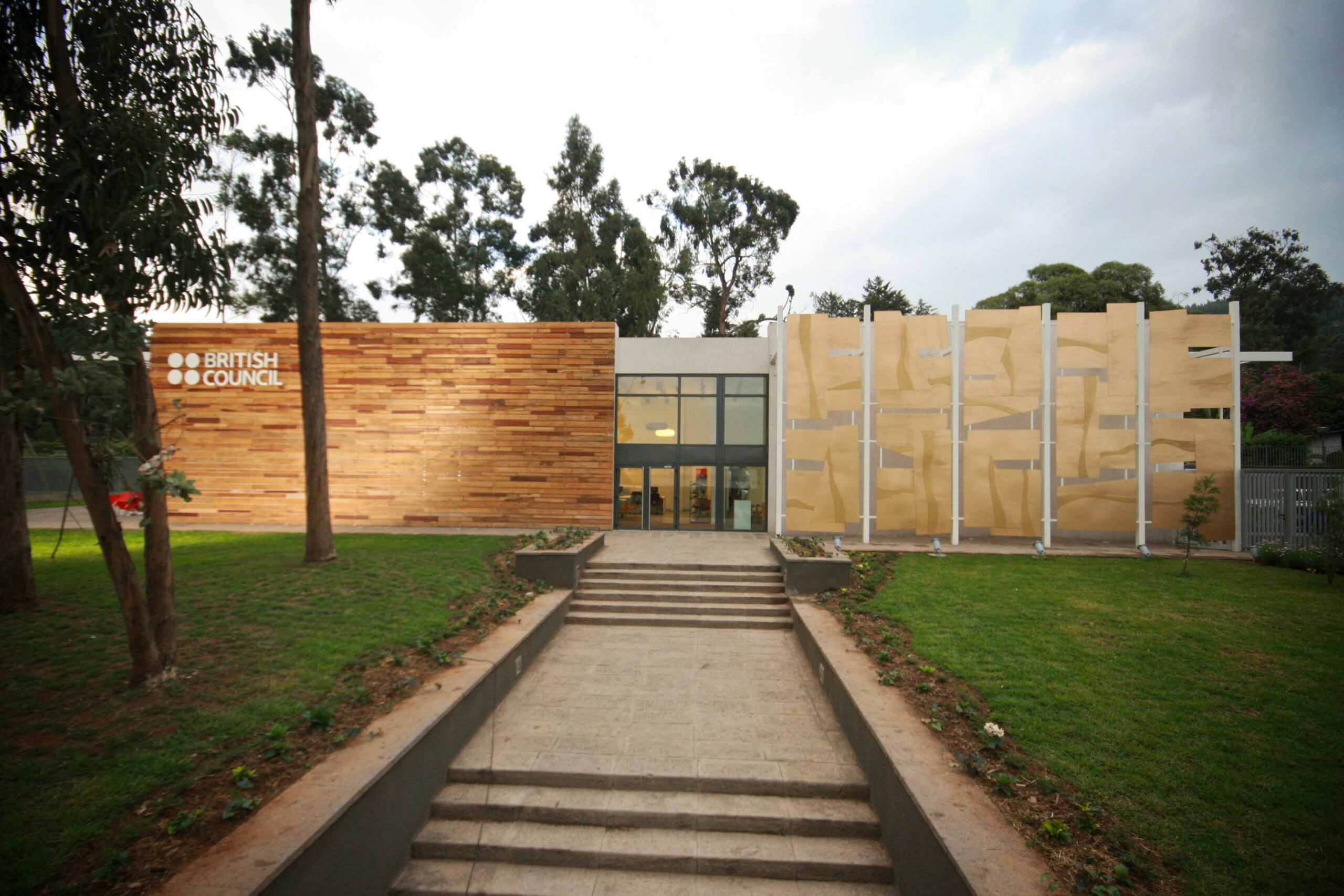
For the British Council and DFID offices — another project in Elmi’s diplomatic portfolio — the institutional expectations around quality and compliance were shaped by UK government standards applied to an Ethiopian construction context. Meeting those expectations required exactly the kind of local knowledge and international standard awareness that only comes from sustained experience in this category.

KOR_4476

What to Look for in a Contractor for Embassy Work

If you are a diplomatic mission, government agency, or developer commissioning a diplomatic facility in Ethiopia, the contractor selection criteria are specific.

Proven embassy or diplomatic portfolio. Not just institutional or commercial buildings — actual embassy compounds, diplomatic residences, or facilities built to diplomatic security and finish standards. Ask for the project list and the client contacts, and verify both.

Security construction experience. The contractor should be able to demonstrate familiarity with blast-resistant design, seismic compliance, forced entry and ballistic resistance standards, and the integration of physical security systems into building fabric. These are not skills that transfer from a standard commercial portfolio.
Stakeholder management capacity. Embassy projects involve multiple decision-makers with different priorities and different levels of authority. The contractor’s project management team must be able to navigate that environment without losing programme control.

Import and procurement capability. Diplomatic compounds require materials and systems that are often not available locally. The contractor must have established import channels, reliable customs relationships, and the procurement experience to manage long lead times without disrupting the construction programme.

Appropriate contractor classification. For large, high-value embassy and diplomatic projects, a Grade 1 General Contractor may be required or strongly preferred depending on the project’s scope, value, and procurement requirements. Verify that the contractor’s current classification is valid and covers the full scope of the project.

Embassy construction in Ethiopia

Addis Ababa is one of Africa’s major diplomatic centres. As the seat of the African Union and the United Nations Economic Commission for Africa, and with a large concentration of embassies and diplomatic missions operating in the city, it hosts significant diplomatic activity on the continent. The demand for purpose-built diplomatic facilities — compounds that meet international security standards, reflect the identity of the sending country, and function effectively in the Ethiopian environment — is sustained and significant.

Elmi Construction has delivered embassy and diplomatic projects across decades of that demand, from the Royal Netherlands Embassy in 2005 to the Embassy of India in 2019 and the DH ONE Elevation Diplomatic Residence. That continuity of delivery — across different sending countries, different security requirements, different design briefs, and different institutional expectations — is what embassy construction in Ethiopia experience looks like.

It is not a category most contractors can enter. And for a diplomatic mission commissioning a facility that will represent their country for decades, it is not a category where you want to find out your contractor has never been before.

Share the Post:

Related Articles