Heritage and Restoration Construction: How to Rebuild Without Losing What Matters

Construction is often associated with creating something new. Yet some of the most complex and meaningful projects involve preserving what already exists.

Across Ethiopia and around the world, historic buildings, religious sites, cultural landmarks, and public institutions face a common challenge: how to restore and modernise ageingdo you restore and modernize aging structures without losing the character, history, and identity that make them important in the first place?

Heritage and restoration construction sits at the intersection of engineering, architecture, craftsmanship, and conservation. Done well, it extends the life of significant structures while preserving their cultural value for future generations.

Done poorly, it can erase decades or even centuries of history.

Why Heritage Projects Are Different

New construction begins with a blank slate.

Restoration projects rarely do.

Every historic building carries its own unique challenges:

  • Aging materials
  • Structural deterioration
  • Previous modifications
  • Environmental damage
  • Incomplete documentation
  • Cultural and religious significance

Contractors often work with limited information about how the structure was originally built and how it has changed over time.

Unlike a new building, where solutions can be designed from the ground up, restoration requires understanding the past before planning the future.

Preservation Versus Modernization

One of the biggest questions in restoration is determining what should remain unchanged and what should be upgraded.

Many heritage buildings require improvements to:

  • Structural systems
  • Electrical systems
  • Mechanical services
  • Fire protection
  • Accessibility
  • Building safety

The challenge is introducing these upgrades without compromising the building’s historical integrity.

Successful restoration projects aim to make improvements that are effective but respectful.

Visitors should experience the building’s history, not the intervention itself.

Understanding the Existing Structure

Before restoration begins, a detailed assessment is essential.

This often includes:

Structural Evaluation

Engineers assess foundations, walls, roofs, and load-bearing elements to determine their condition.

Material Analysis

Historic structures often use materials that differ significantly from modern construction methods.

Understanding how those materials perform is critical.

Documentation

Accurate records help guide restoration decisions and ensure important architectural features are preserved.

Without proper investigation, restoration efforts can unintentionally damage the very elements they are trying to protect.

Working with Historic Materials

One of the most specialized aspects of restoration construction is dealing with traditional materials and craftsmanship.

Historic structures may contain:

  • Stone masonry
  • Handcrafted timber elements
  • Decorative plasterwork
  • Traditional roofing systems
  • Heritage finishes

Replacing these materials with modern alternatives may compromise both appearance and performance.

In many cases, restoration requires repairing and preserving original materials rather than replacing them entirely.

This approach demands patience, technical expertise, and attention to detail.

Balancing Conservation and Longevity

House of Culture

A common misconception is that preservation means leaving everything untouched.

In reality, conservation often involves carefully planned intervention.

The goal is not simply to protect a building as it exists today.

The goal is to ensure it remains functional and safe for decades to come.

This may require:

  • Structural reinforcement
  • Water damage mitigation
  • Seismic upgrades
  • Roof replacement
  • Drainage improvements

The best restoration projects strike a balance between conservation and long-term performance.

Stakeholder Management Matters

Heritage projects often involve more stakeholders than traditional construction projects.

Depending on the building, these may include:

  • Religious institutions
  • Government agencies
  • Conservation experts
  • Community groups
  • Architects
  • Engineers
  • Donors and funding partners

Each group may have different priorities and expectations.

Effective communication becomes just as important as technical execution.

Successful restoration projects depend on collaboration throughout the process.

The Value of Restoration

Preserving historic structures offers benefits that extend beyond the building itself.

Restoration can:

Protect Cultural Identity

Historic buildings connect communities to their history and traditions.

Support Tourism

Cultural landmarks often play a major role in attracting visitors and investment.

Reduce Environmental Impact

Reusing existing structures can significantly reduce material consumption and construction waste.

Preserve Craftsmanship

Restoration helps maintain traditional building techniques that might otherwise be lost.

These benefits explain why restoration is increasingly recognized as both a cultural and sustainable development strategy.

Lessons from Ethiopia's Heritage Projects

Ethiopia possesses one of Africa’s richest architectural and cultural histories.

Preserving that heritage requires careful stewardship.

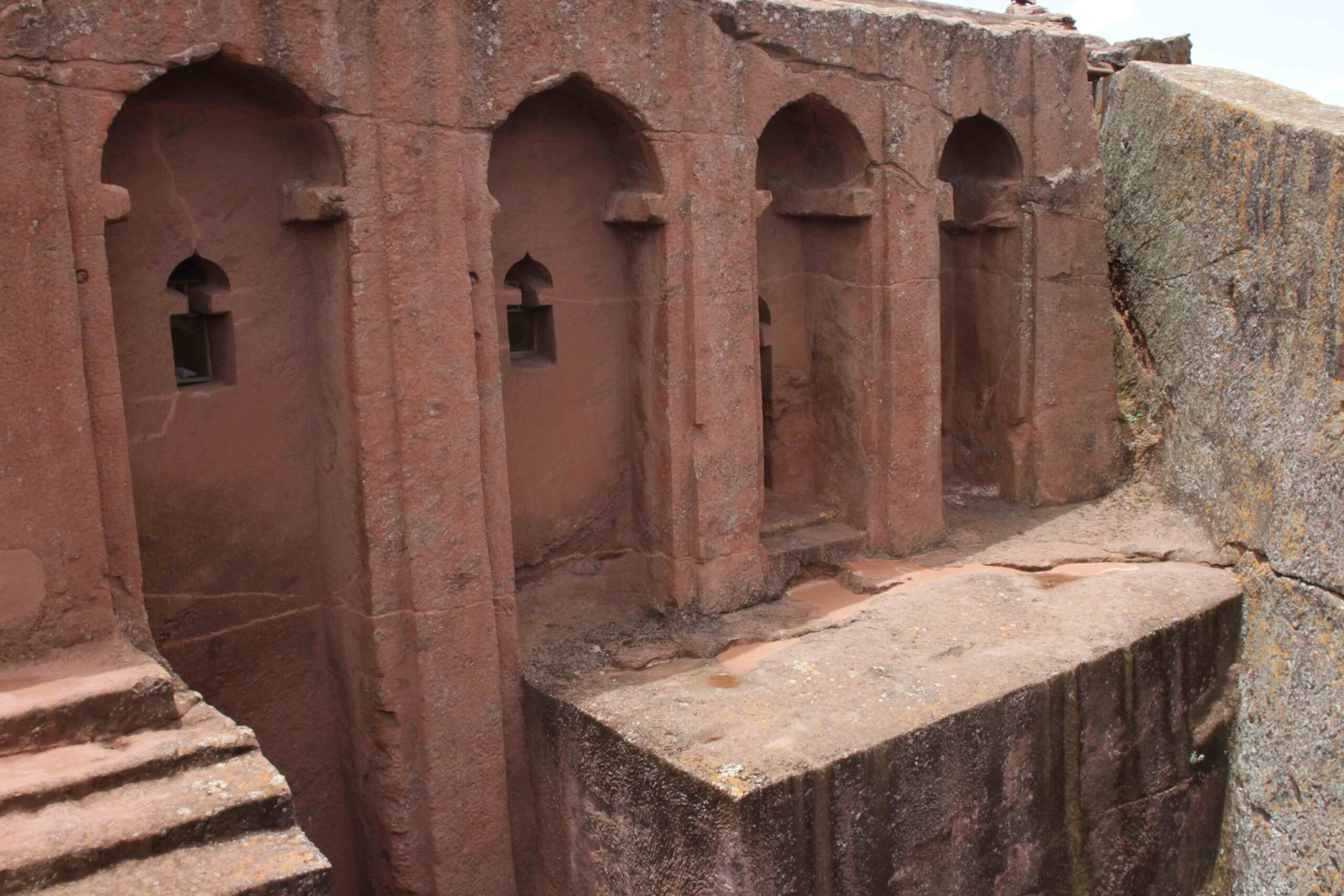
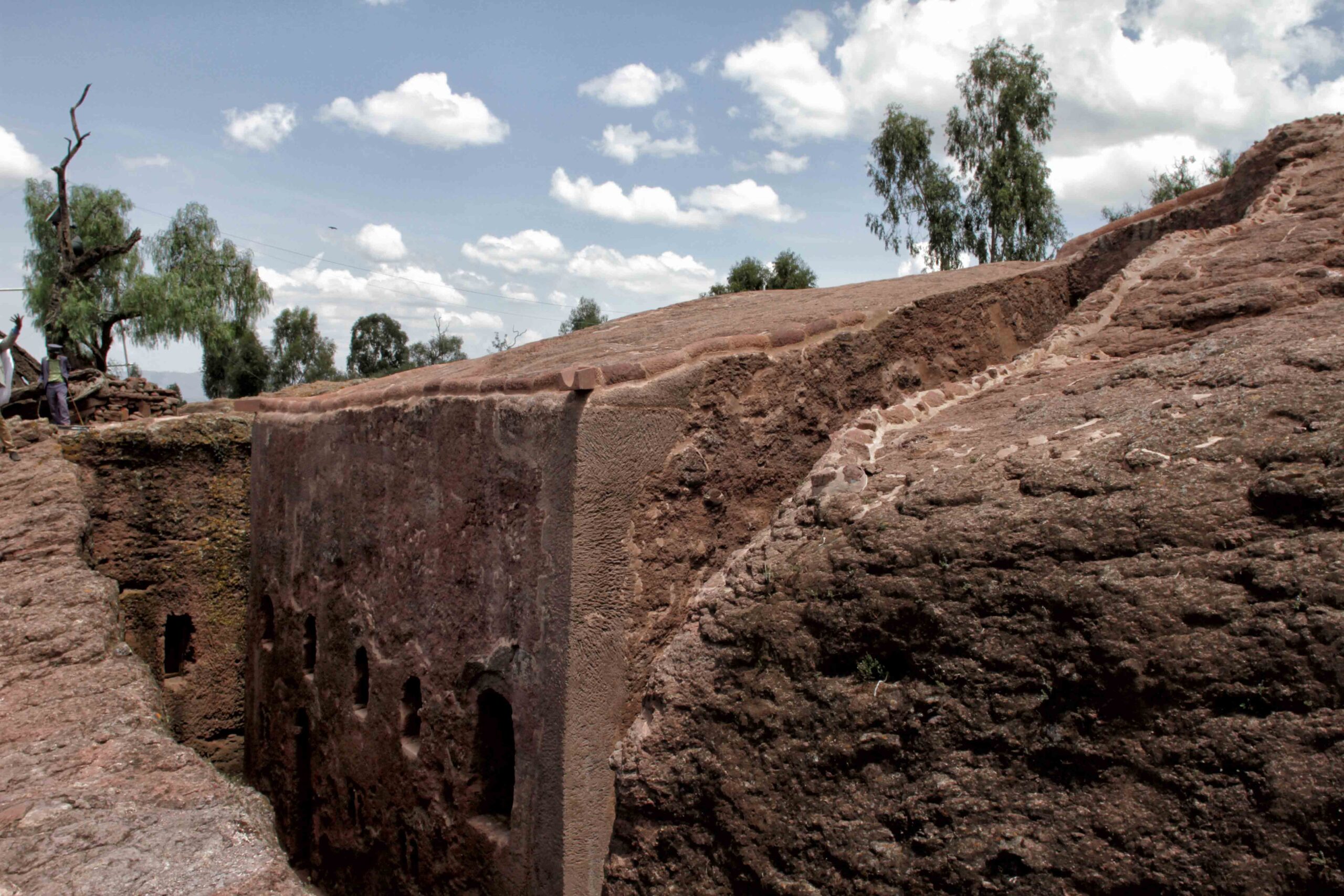
Projects such as the restoration of Bete Gabriel Rufael, Bete Golgotha, and Bete Michael Church demonstrate the importance of combining technical expertise with cultural sensitivity.

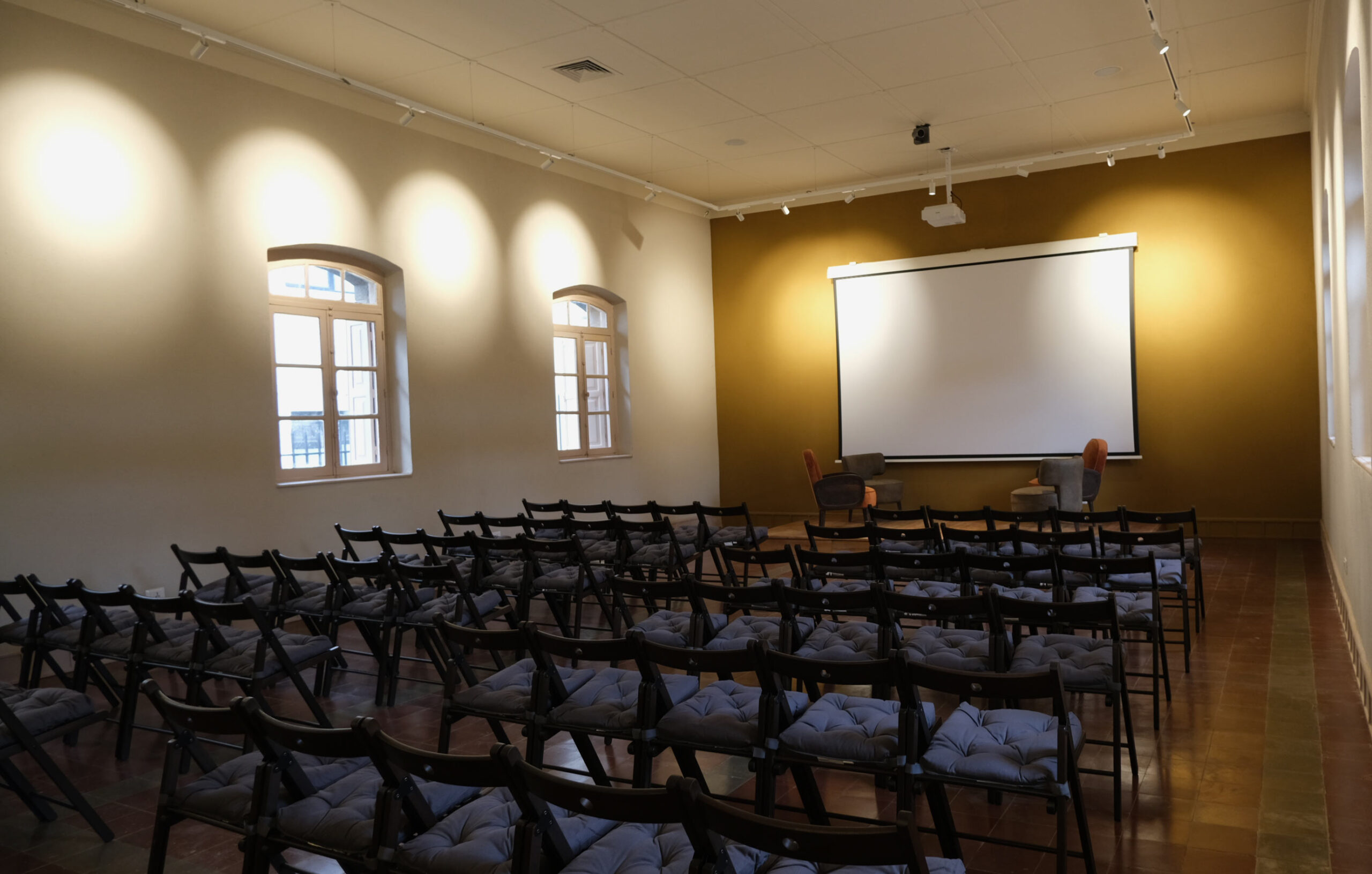
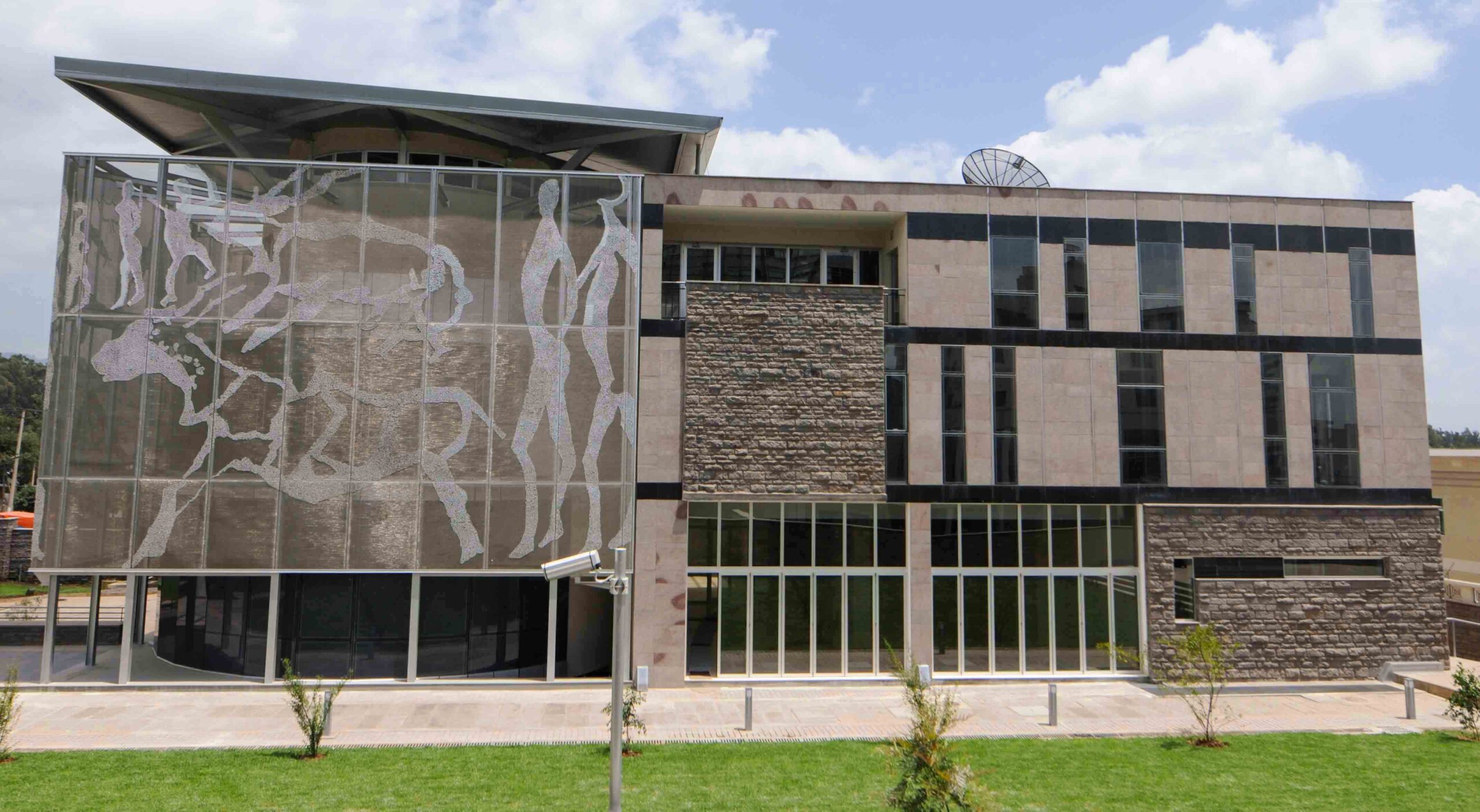
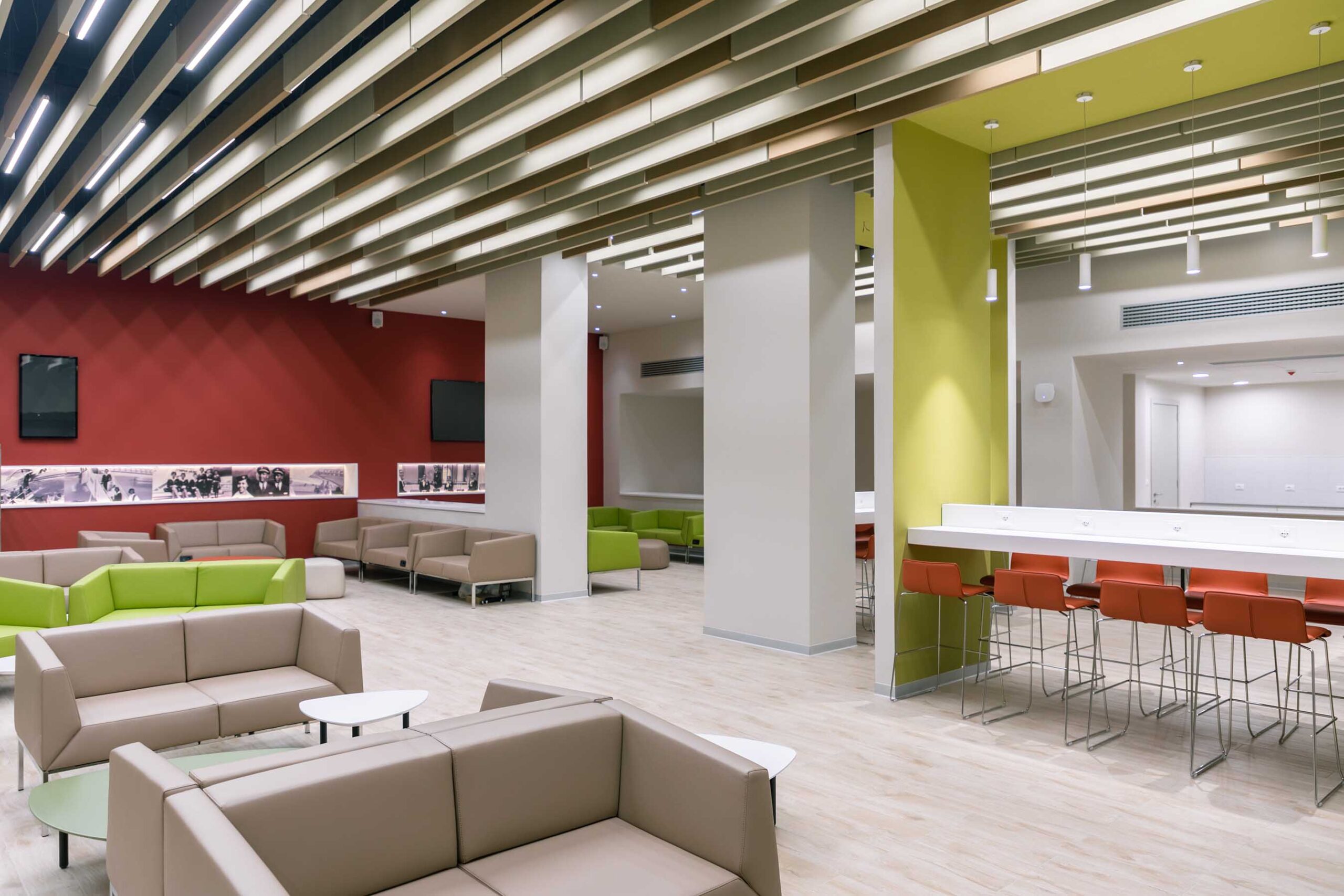
Similarly, the renovation of the House of Culture highlights how public institutions can be modernized while preserving their historical significance.

These projects illustrate a fundamental principle of restoration: success is measured not only by what changes, but by what remains.

Common Restoration Challenges

Incomplete Records

Many historic structures lack detailed construction documentation.

Material Deterioration

Age, weather, and environmental conditions often create hidden structural issues.

Balancing Modern Standards

Meeting contemporary safety and operational requirements can be challenging in historic environments.

Cost Uncertainty

Unexpected discoveries during restoration frequently affect budgets and schedules.

These realities make experience particularly valuable in restoration work.

Choosing the Right Restoration Partner

Not every contractor is equipped for heritage projects.

Restoration requires a different mindset than conventional construction.

Project owners should look for teams with:

  • Proven restoration experience
  • Strong engineering capability
  • Respect for heritage assets
  • Skilled project management
  • Collaborative working methods

The goal is not simply to repair a building.

It is to preserve its value, meaning, and function for future generations.

Share the Post:

Related Articles