Building an Eco-Lodge in Ethiopia: What Developers Need to Know Before Breaking Ground

Ethiopia’s tourism sector is entering a new phase.

As infrastructure improves and destinations become more accessible, investors are increasingly exploring eco-lodges, luxury retreats, and nature-based hospitality developments. From the highlands of Wenchi to the forests of Halala Kella, developers are discovering opportunities to create destinations that combine tourism, conservation, and community impact.

Yet building an eco-lodge is fundamentally different from constructing a hotel in an urban center.

Remote locations, environmental considerations, infrastructure limitations, and operational realities all shape how these projects must be planned and delivered.

For developers considering an eco-lodge investment in Ethiopia, understanding these factors early can significantly improve project outcomes.

Why Eco-Lodges Are Growing in Ethiopia

Global tourism trends increasingly favor authentic experiences, sustainability, and nature-based travel.

Travelers are seeking:

  • Remote destinations
  • Cultural immersion
  • Environmental responsibility
  • Wellness-focused experiences
  • Smaller, experience-driven accommodations

Ethiopia possesses many of the ingredients that make eco-tourism attractive:

  • Diverse landscapes
  • National parks
  • Lakes and forests
  • Cultural heritage sites
  • Growing domestic tourism

As a result, eco-lodges are becoming an increasingly important part of the country’s hospitality sector.

However, successful eco-tourism developments require more than beautiful scenery.

They require thoughtful planning from day one.

Site Selection Matters More Than Most Developers Think

The success of an eco-lodge often begins long before construction starts.

Many developers focus primarily on views and location, but operational considerations are equally important.

Key questions include:

  • How accessible is the site?
  • What road infrastructure exists?
  • How will materials reach the project?
  • Is there reliable access to water?
  • How will power be supplied?
  • What environmental restrictions apply?

Remote locations may offer spectacular experiences for guests but can create significant challenges during construction.

A site that appears attractive on paper may become far more expensive to develop once logistics are fully understood.

Designing for the Environment

Unlike conventional hotels, eco-lodges are expected to work with their surroundings rather than dominate them.

Successful developments often incorporate:

  • Existing topography
  • Natural vegetation
  • Local materials
  • Climate-responsive design
  • Minimal site disturbance

Good eco-lodge design seeks to preserve the qualities that attracted visitors in the first place.

Developers who ignore environmental considerations often find themselves facing higher costs, regulatory challenges, and weaker guest experiences.

Logistics Can Make or Break a Project

One of the biggest challenges in hospitality construction is logistics.

Urban construction projects benefit from established supply chains and contractor access.

Eco-lodges often do not.

Construction teams may need to transport:

  • Cement
  • Steel
  • Equipment
  • Finishing materials
  • Furniture
  • Specialized systems

Across difficult terrain and over long distances.

Every logistical challenge affects cost, schedule, and risk.

This is why hospitality developments in remote locations require contractors with experience beyond conventional building projects.

Sustainability Is More Than a Marketing Term

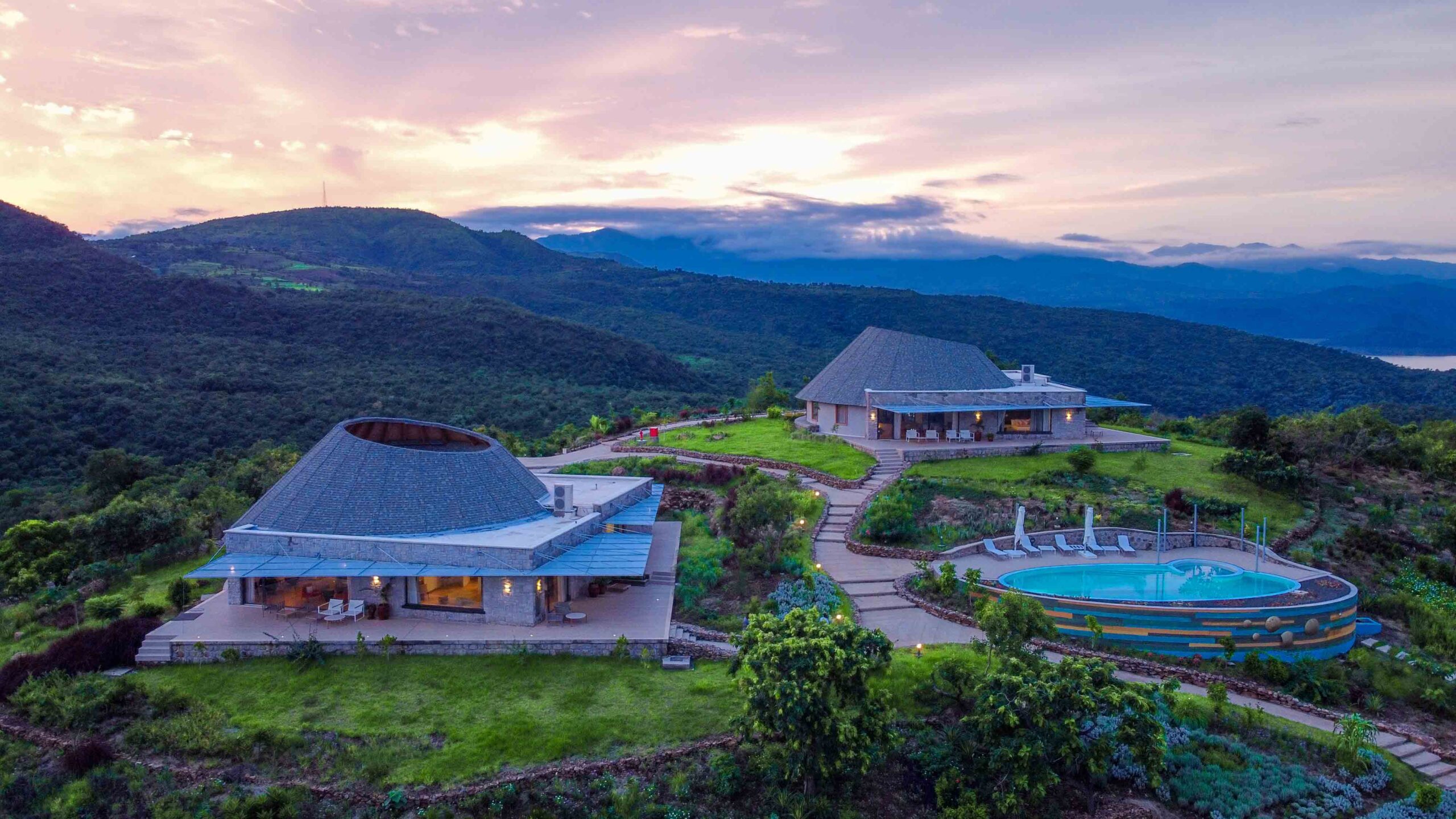
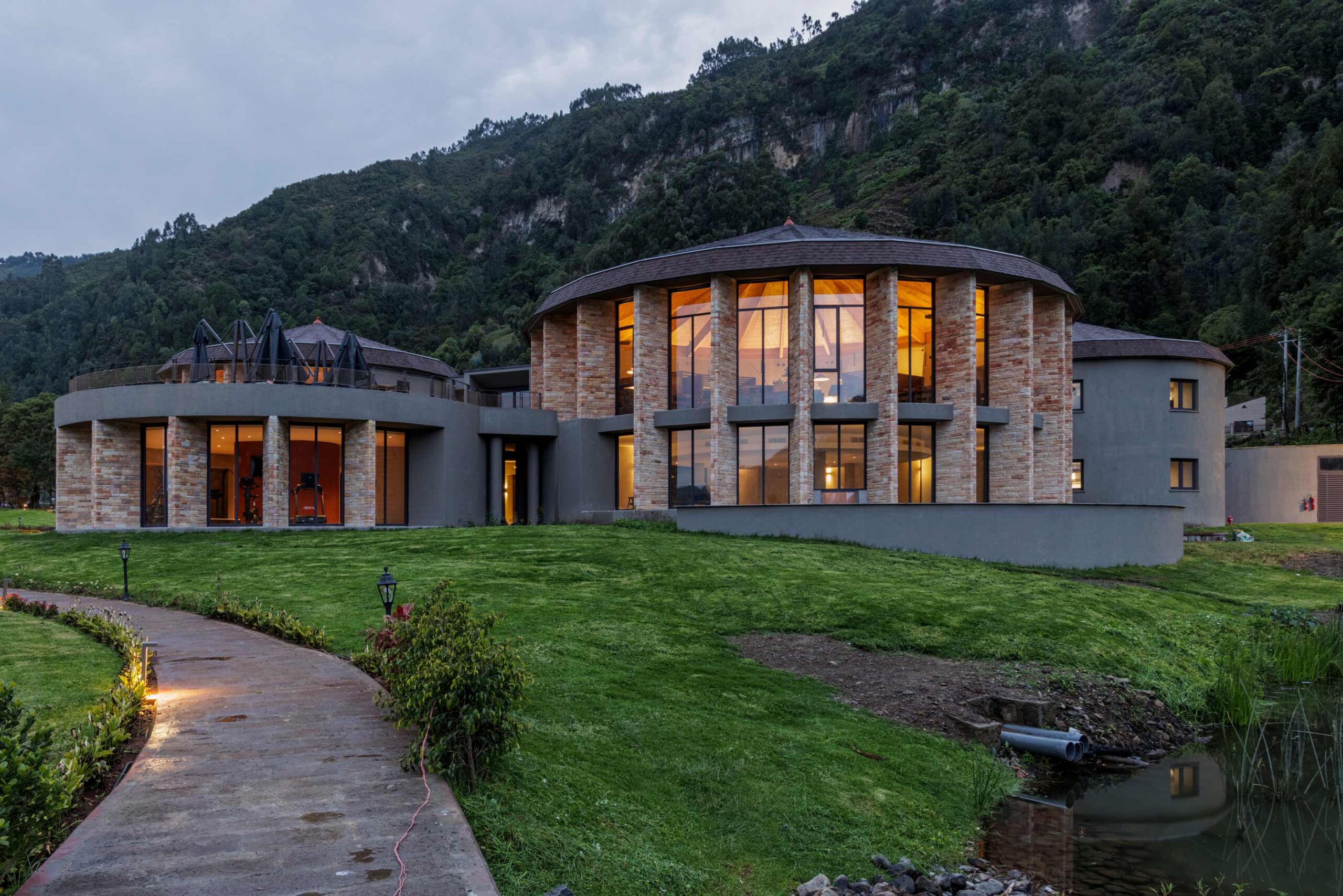
Halala Kella Luxury Lodge

Many hospitality developments describe themselves as sustainable.

Few truly integrate sustainability into the project’s design and operations.

Meaningful sustainability measures often include:

Energy Efficiency

Reducing energy consumption through passive design, efficient systems, and renewable energy solutions.

Water Management

Capturing, treating, and reusing water where appropriate.

Material Selection

Prioritizing durable and locally sourced materials when feasible.

Landscape Preservation

Protecting ecosystems and minimizing environmental impact.

Community Integration

Creating economic opportunities for local communities.

The most successful eco-lodges understand that sustainability is both an environmental and operational strategy.

Guest Experience Starts During Design

Hospitality construction differs from other sectors because every design decision ultimately affects the guest experience.

Developers must consider:

  • Arrival experience
  • Room orientation
  • Privacy
  • Views
  • Circulation
  • Lighting
  • Acoustic comfort
  • Outdoor spaces

A technically successful building can still fail if it does not create a memorable guest experience.

The best hospitality projects balance operational efficiency with emotional impact.

Common Mistakes Developers Make

Underestimating Infrastructure Requirements

Power, water, waste management, and telecommunications are often more complex than anticipated.

Prioritizing Aesthetics Over Operations

Beautiful architecture must still function efficiently for guests and staff.

Delaying Contractor Involvement

Bringing construction expertise into the planning process early can help identify risks before they become costly problems.

Ignoring Long-Term Maintenance

Materials and systems should be selected based on local conditions and operational realities.

Lessons from Ethiopia’s Hospitality Projects

Over the years, Ethiopia’s hospitality sector has produced several notable developments that demonstrate both the opportunities and complexities of tourism-focused construction.

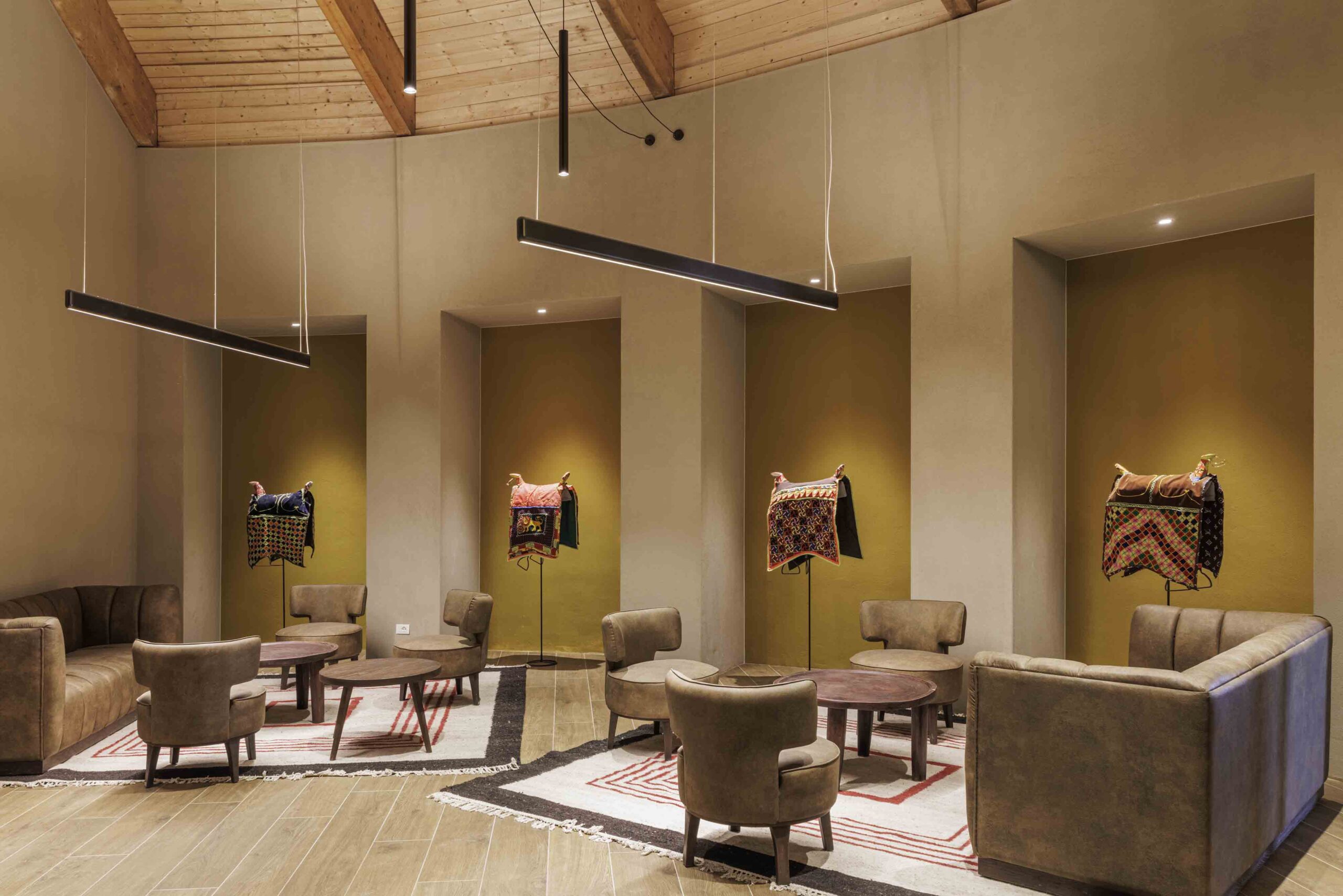
Projects such as Wenchi Eco-Lodge, Dendi Eco-Lodge, and Halala Kella Luxury Lodge highlight the growing demand for destination-driven hospitality experiences.

While each project differs in scale and context, they share common requirements:

  • Careful environmental integration
  • Strong logistical planning
  • Quality construction
  • Long-term operational thinking

These projects reinforce an important lesson: successful eco-lodges are not simply buildings. They are ecosystems that combine architecture, infrastructure, hospitality, and environmental stewardship.

Choosing the Right Construction Partner

Wenchi Eco-Lodge

Because eco-lodges involve unique challenges, contractor selection becomes especially important.

Developers should evaluate:

  • Relevant hospitality experience
  • Remote site construction capability
  • Logistics management expertise
  • Sustainability knowledge
  • Quality assurance systems
  • Track record of delivery

A contractor that understands both hospitality and complex site conditions can help reduce risk throughout the project lifecycle.

Conclusion

Ethiopia’s eco-tourism sector presents significant opportunities for developers willing to invest thoughtfully.

But successful eco-lodge developments require more than attractive locations and ambitious designs.

They demand careful planning, environmental sensitivity, strong project execution, and a clear understanding of how guests will ultimately experience the destination.

When these elements come together, eco-lodges can create lasting value for investors, communities, and visitors alike while contributing to the long-term growth of Ethiopia’s tourism industry.

Share the Post:

Related Articles

The Real Drivers of Real Estate Value in Ethiopia

Ethiopia’s real estate sector is growing, but growth alone does not guarantee value.
From urban demand and market trends to construction quality and infrastructure, real estate value is shaped by how well a project is planned, built, and sustained over time.

Read More