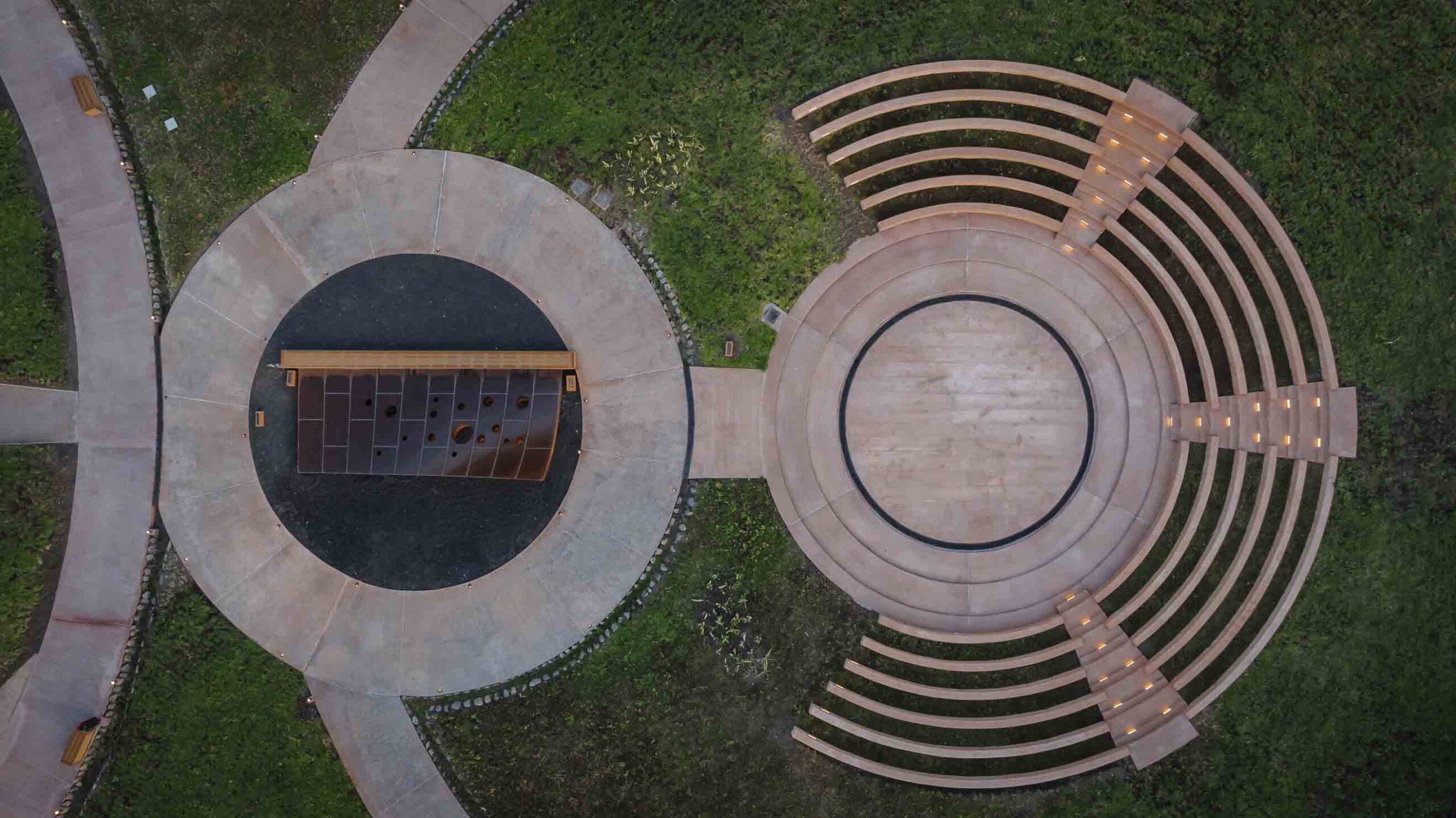
1. Planning and Layout Efficiency
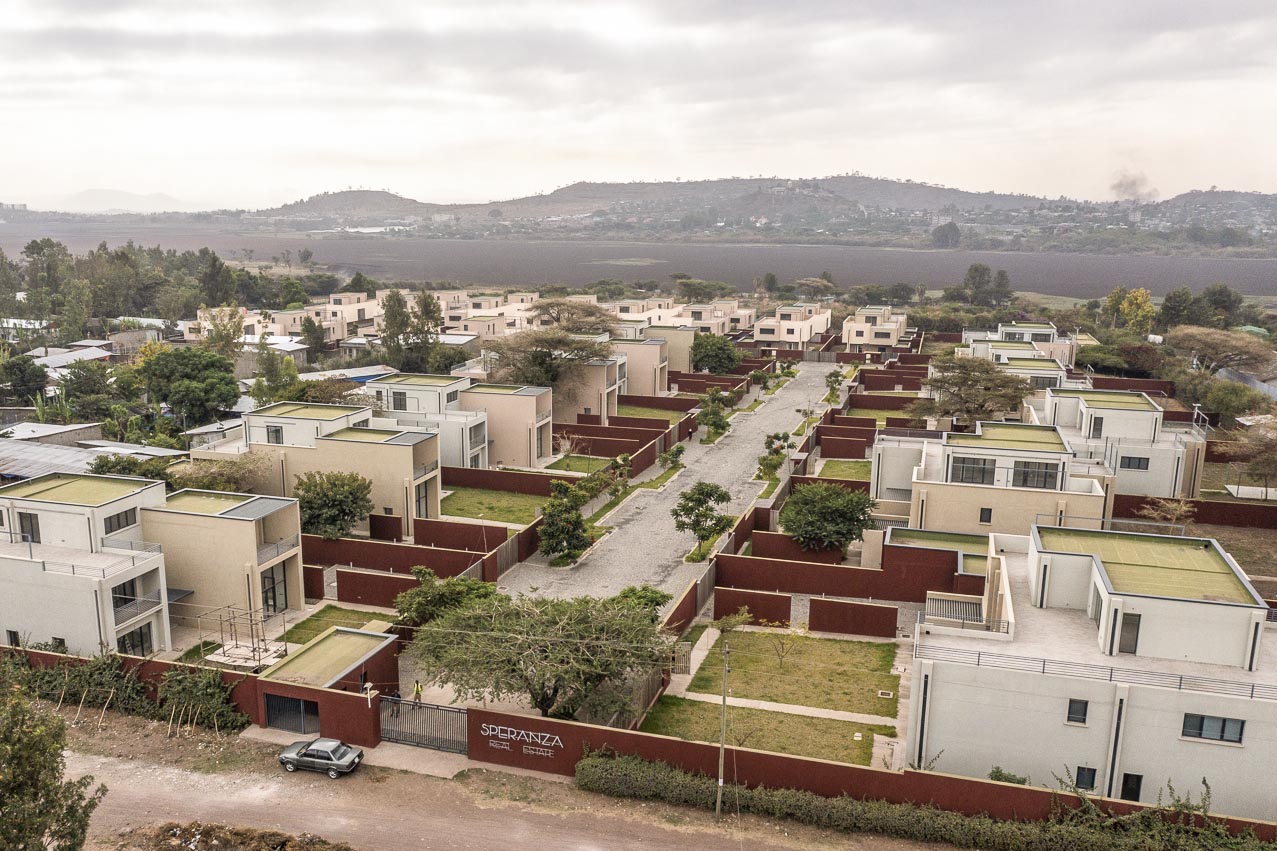
In a market where land is becoming increasingly valuable, how space is used matters.
Efficient developments:
- Maximize usable area
- Improve circulation
- Enhance livability
Poor planning reduces functional value, regardless of location or finishing quality.
2. Construction Quality and Lifecycle Cost
While the market often focuses on upfront cost, long-term value is driven by performance over time.
Buildings constructed with:
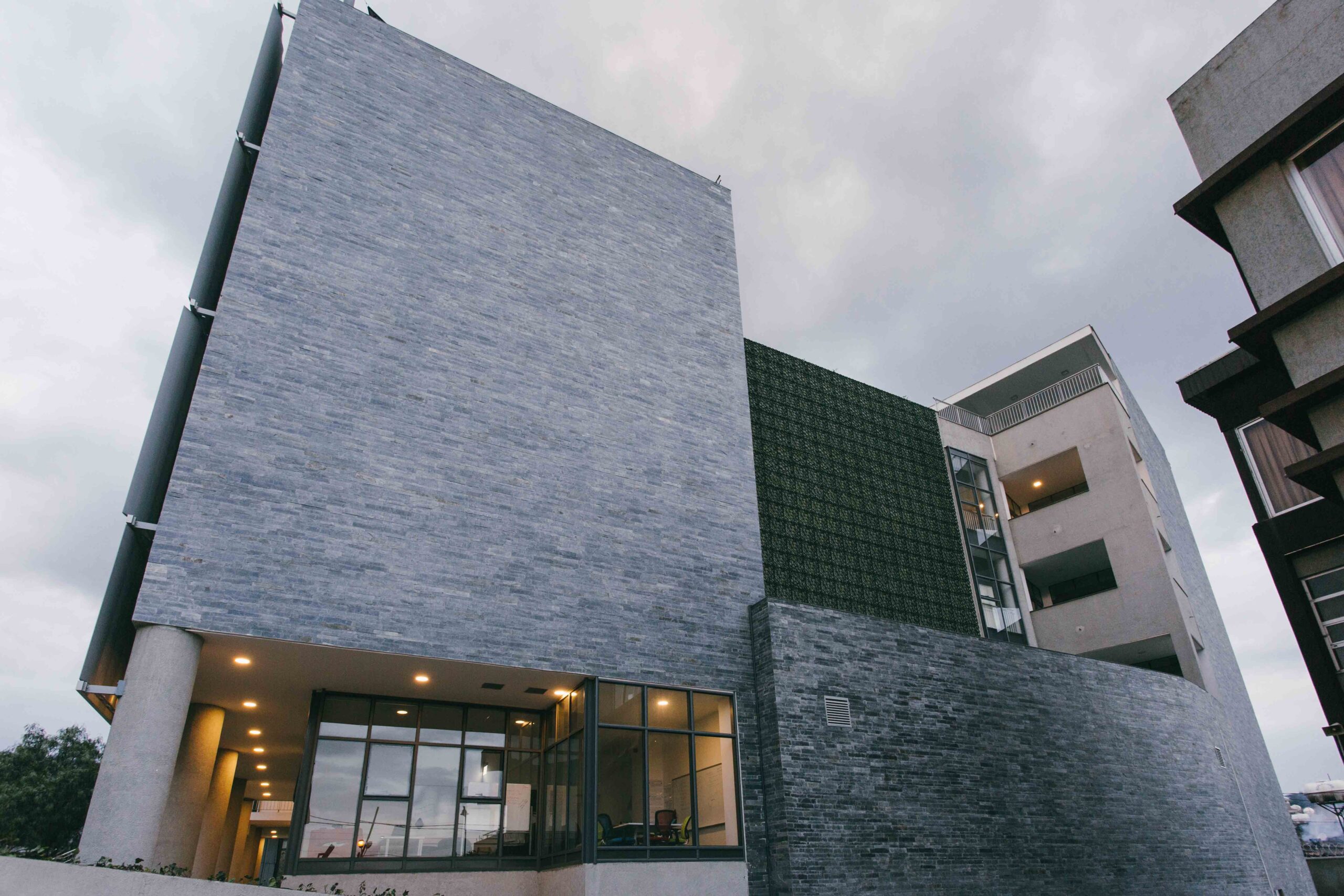
- Durable materials
- Proper structural systems
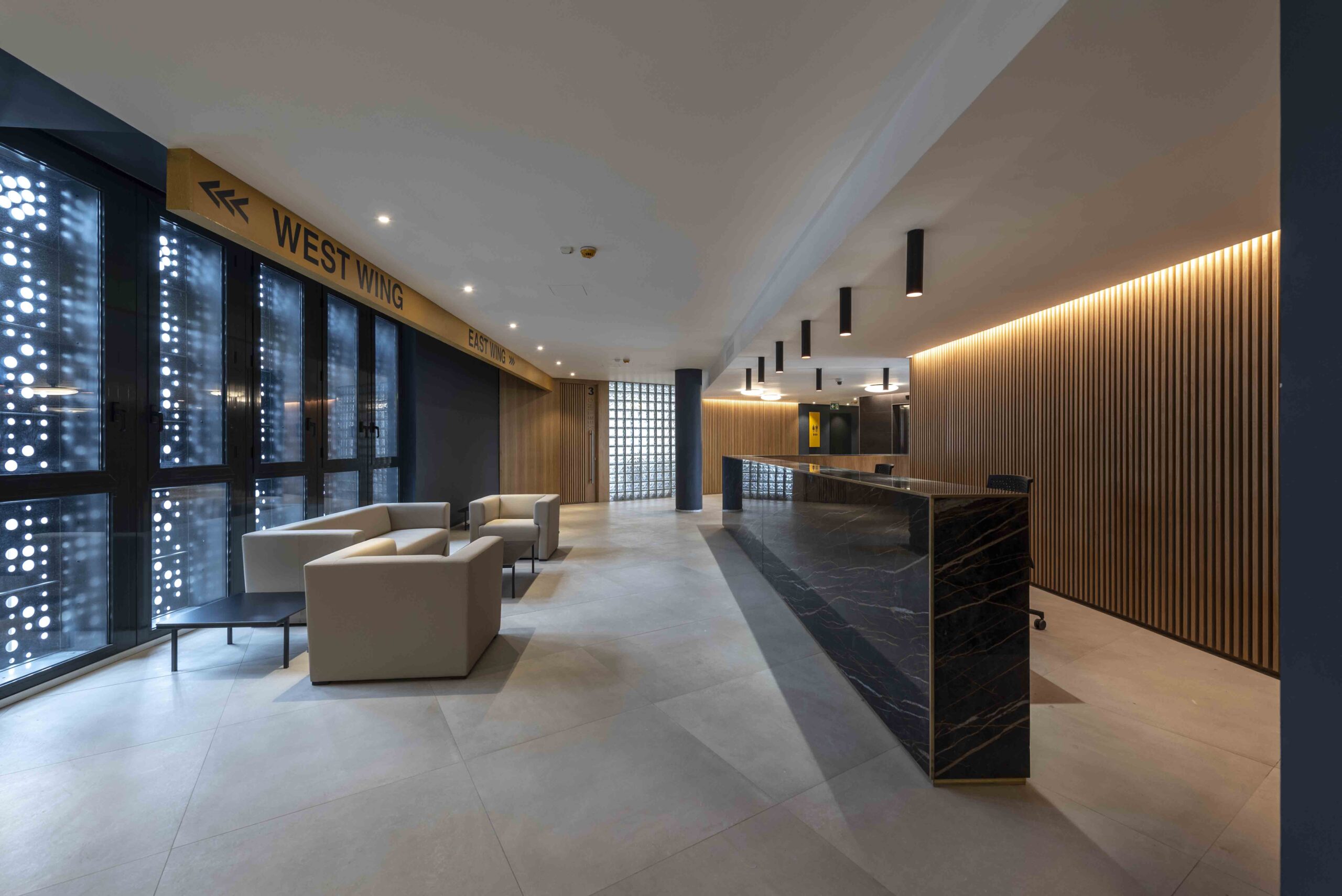
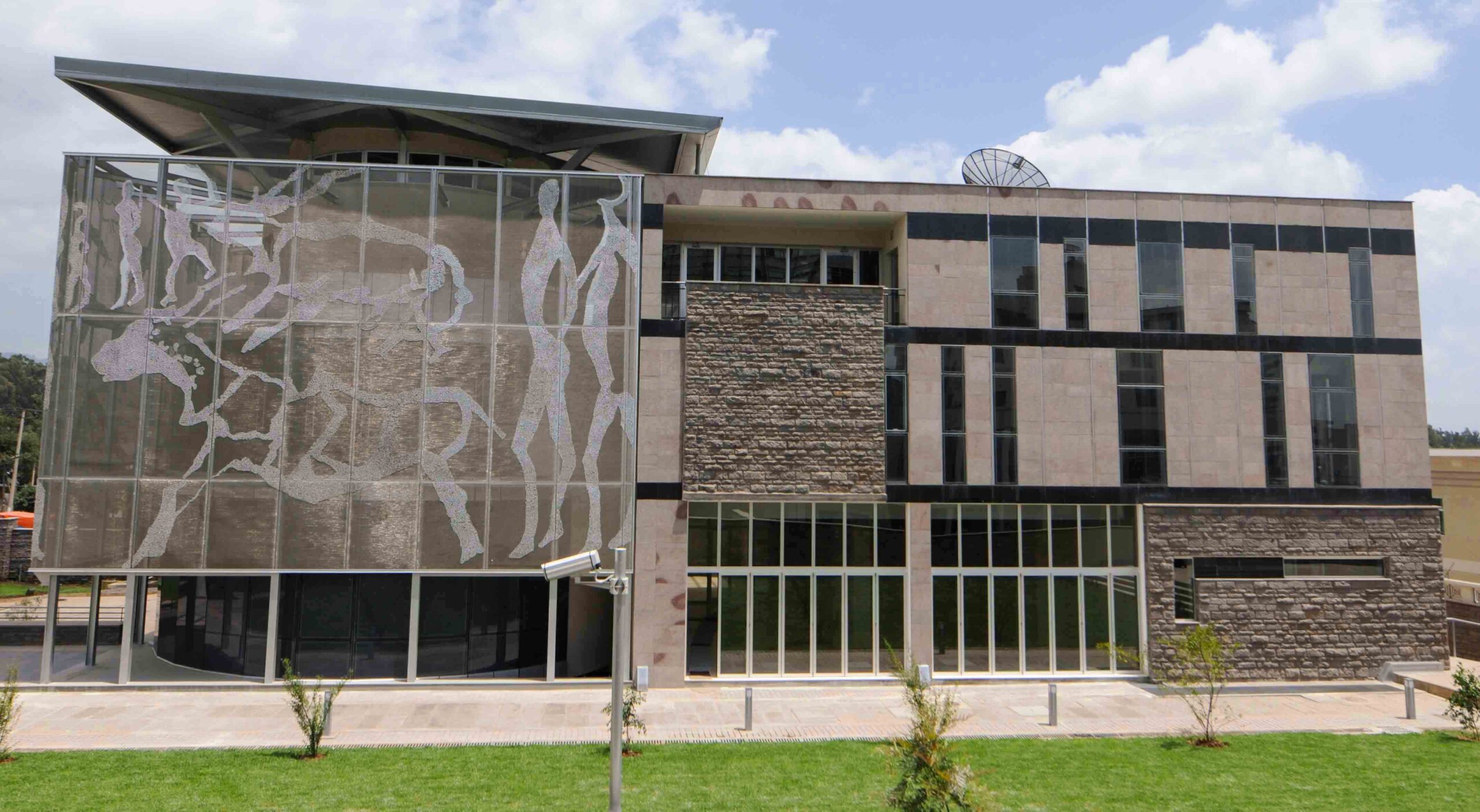
- Quality finishes
tend to retain value and reduce maintenance costs.
Lower-cost construction often leads to higher long-term expenses, especially in rapidly growing urban environments.
3. Infrastructure and Service Reliability
In Ethiopia, access to reliable infrastructure is a major value driver.
This includes:
- Stable power supply
- Consistent water access
- Road connectivity
Developments with reliable services maintain higher occupancy rates and stronger long-term demand.
4. Functionality Over Aesthetics
In a competitive market, visual appeal attracts buyers, but functionality retains them.
Projects that prioritize:
- Practical layouts
- Ease of use
- Adaptability
perform better over time than those focused purely on appearance.
5. Market Positioning: The Rise of Mid-Range Developments
One of the most important trends in Ethiopia’s real estate market is the growing demand for mid-range developments.
While luxury projects attract attention, mid-range housing addresses the largest segment of the population.
These developments:
- Balance affordability and quality
- Achieve higher occupancy
- Offer more stable long-term returns
Challenges That Shape Value
Despite strong growth, the market faces structural challenges:
- Limited access to mortgage financing
- Heavy reliance on personal savings for property purchase
- Shortage of affordable housing
- Infrastructure gaps in expanding areas
These factors influence not just demand, but how value is sustained over time.
Why Short-Term Thinking Fails
In a fast-growing market, there is often pressure to build quickly and reduce costs.
However, developments that prioritize short-term savings typically face:
- Higher maintenance costs
- Lower tenant satisfaction
- Faster depreciation
In contrast, projects designed for durability and performance continue to deliver value long after completion.
The Role of Experience in Delivering Value
In a market with over 600 real estate companies, execution becomes the differentiating factor.
Delivering long-term value requires:
- Strong planning capability
- Technical execution
- Understanding of local conditions
Projects that succeed are those where these elements are aligned from the start.