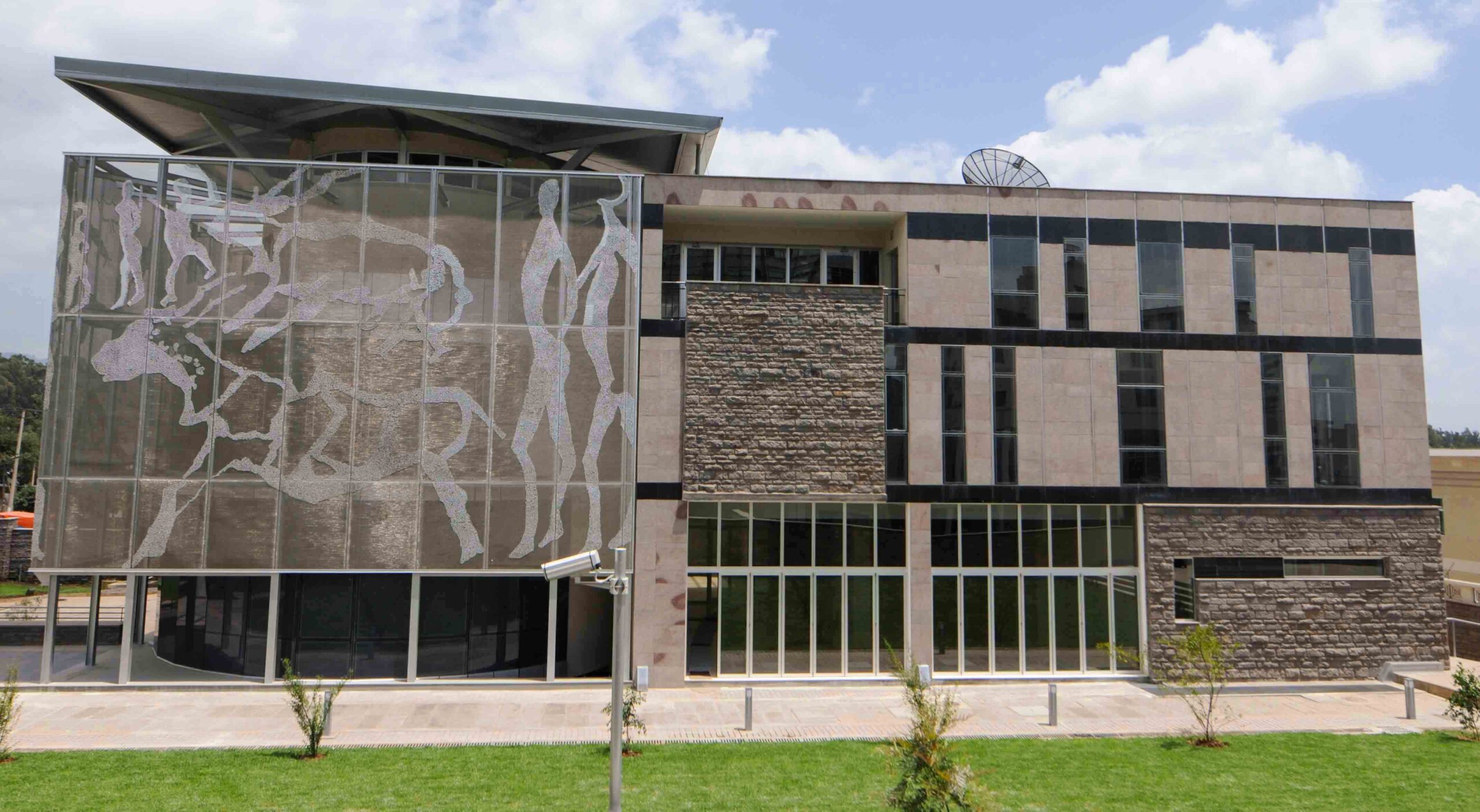
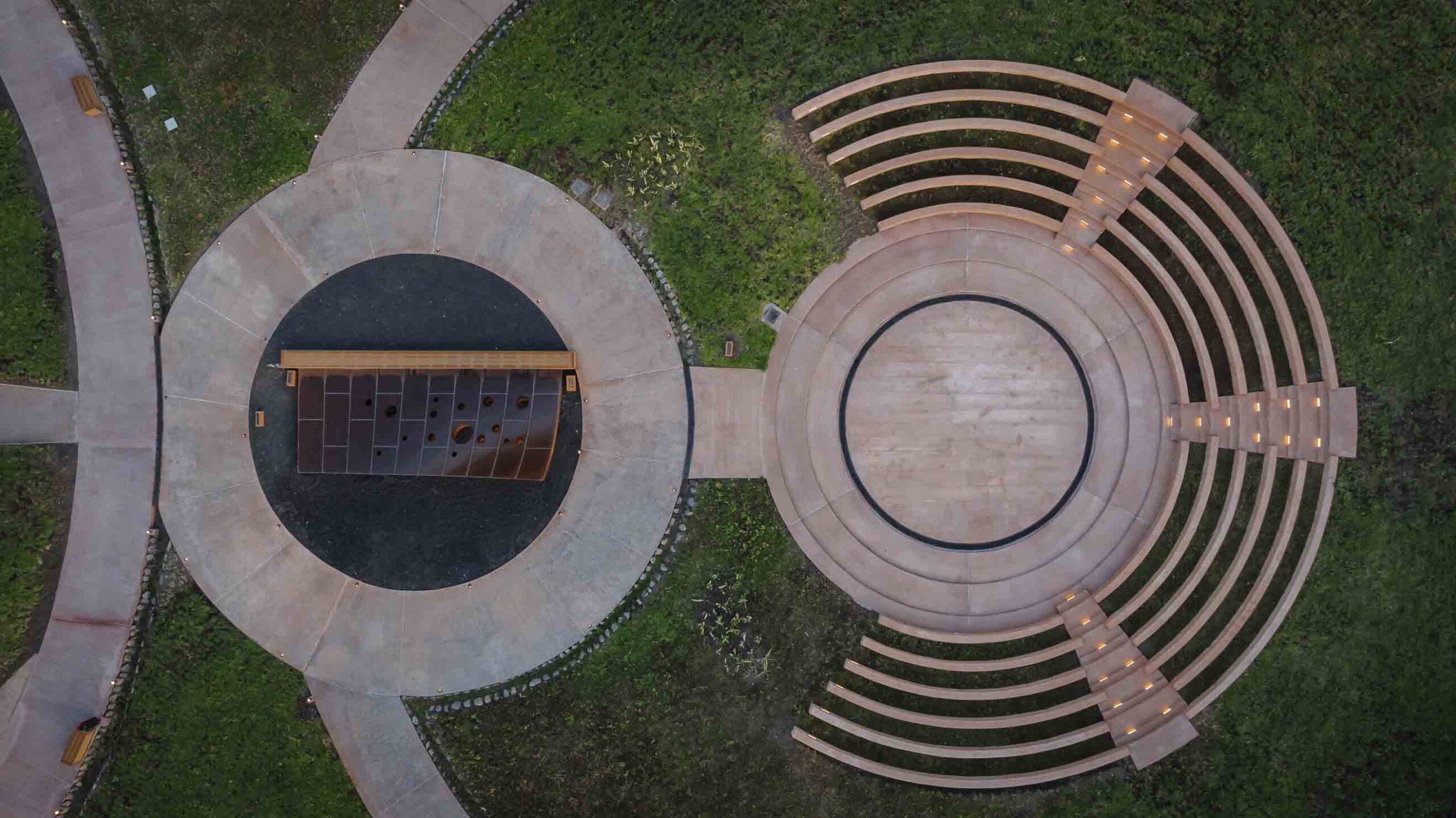
Large construction projects are rarely won or lost on design alone.
More often, their success is determined much earlier, during procurement.
The process of selecting consultants, contractors, suppliers, and delivery partners has a direct impact on project quality, schedule, operational performance, and long-term value. Yet procurement is often treated as an administrative exercise rather than a strategic decision.
Organizations that consistently deliver world-class infrastructure understand that procurement is about more than choosing the lowest bidder. It is about selecting partners capable of delivering outcomes.
Few organizations demonstrate this better than Ethiopian Airlines.
Over the decades, the airline has developed one of Africa’s most respected aviation ecosystems, investing in infrastructure that supports its growth as a global carrier. Behind these projects is a procurement philosophy focused on capability, quality, and long-term performance.
For project owners in Ethiopia and across Africa, there are important lessons worth considering.
Procurement Is Not Purchasing
One of the most common misconceptions in construction is that procurement is primarily about cost.
While budget is important, construction procurement is ultimately a risk management process.
The right procurement decisions help organizations avoid:
- Cost overruns
- Project delays
- Quality failures
- Operational inefficiencies
- Long-term maintenance issues
The wrong decisions often create problems that remain long after construction is complete.
Successful project owners understand that the cheapest option is not always the most economical one.
Why Complex Projects Require Different Thinking
As projects become larger and more specialized, procurement becomes increasingly important.
Facilities such as airports, training centers, industrial plants, healthcare facilities, and diplomatic compounds require:
- Specialized technical knowledge
- Advanced coordination
- Strict quality standards
- Complex systems integration
- Long-term operational reliability
These projects leave little room for error.
Contractors must be evaluated not only on price, but on their ability to manage complexity.
This is where experience becomes a critical procurement factor.
The Ethiopian Airlines Example
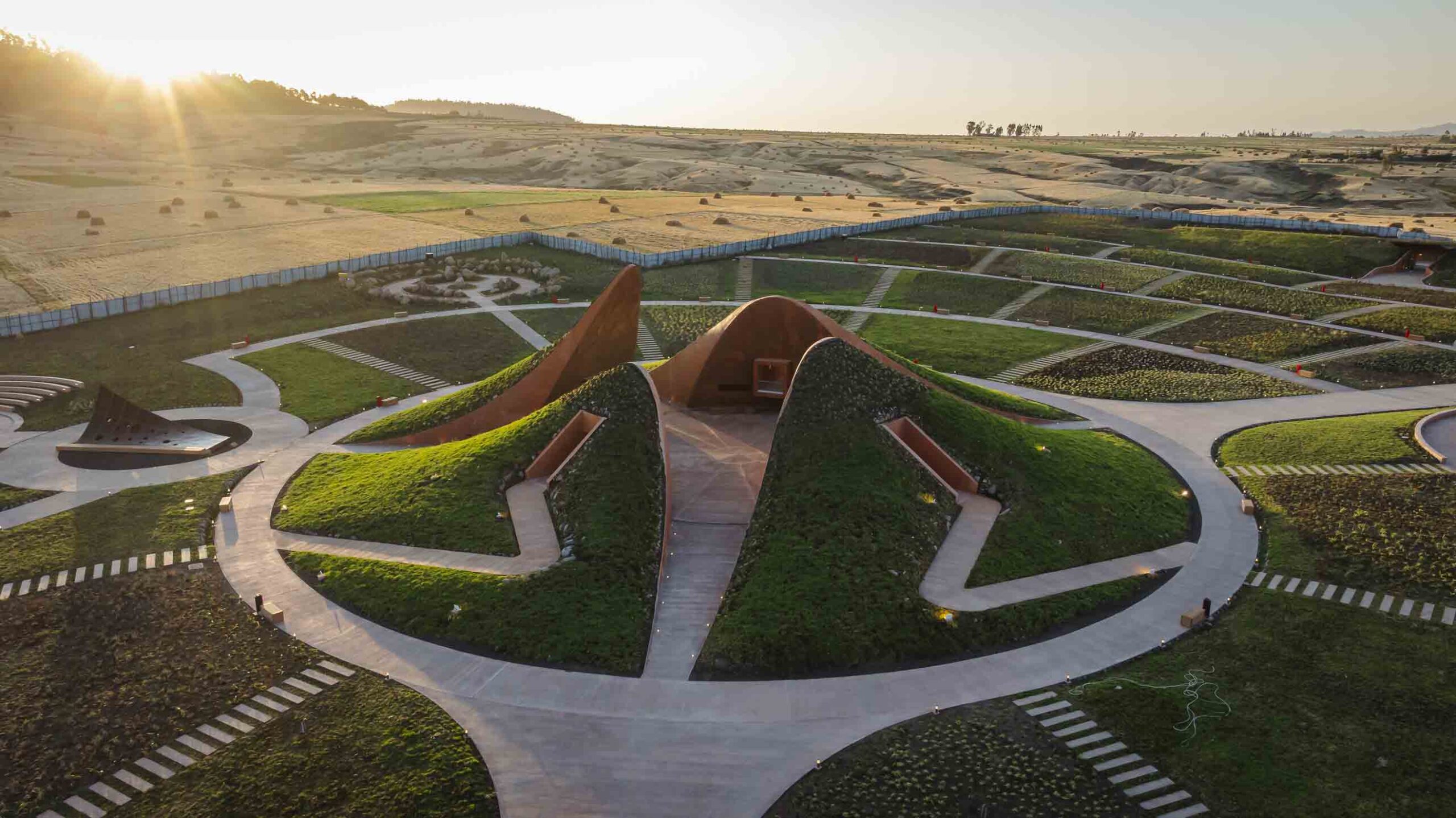
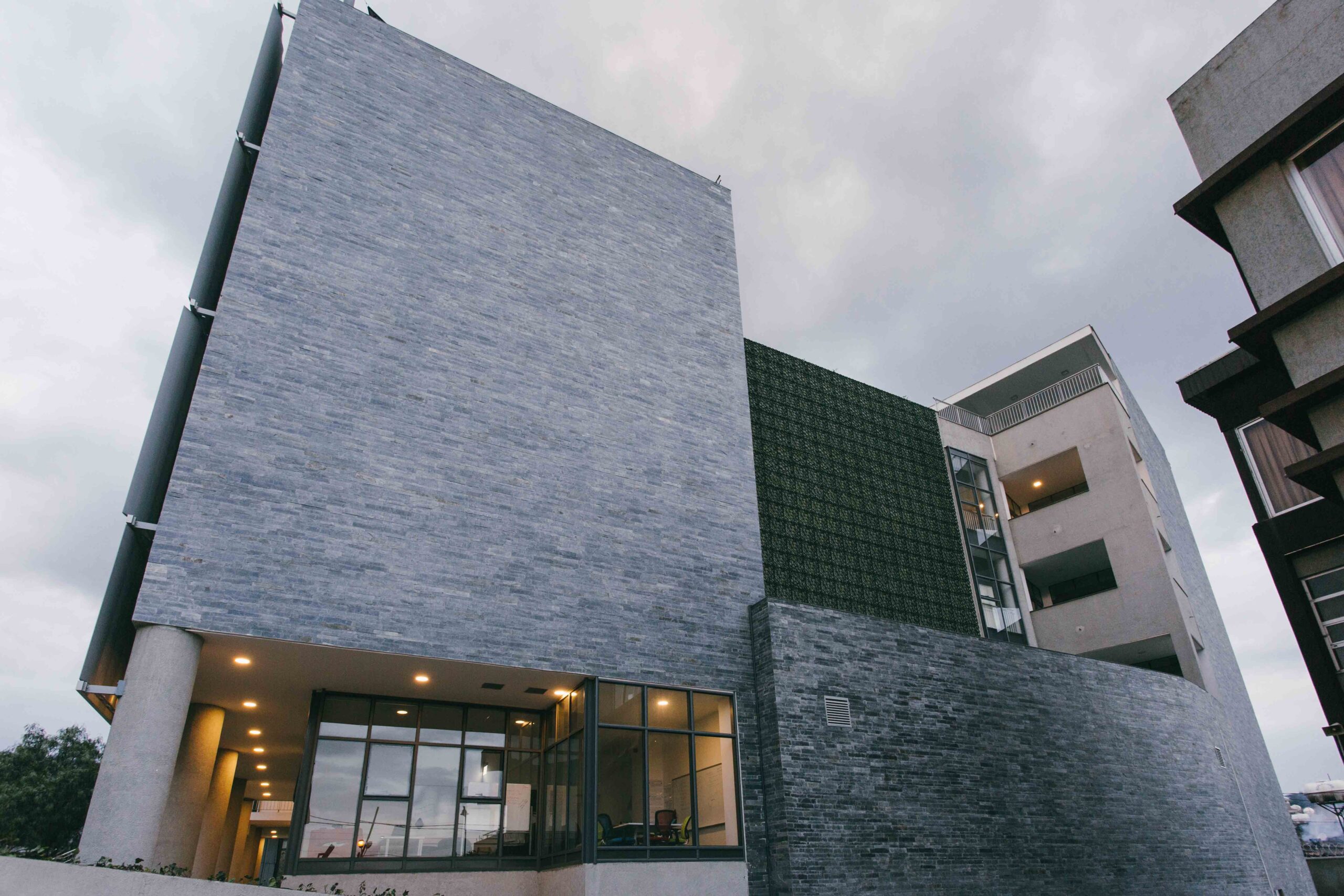
Over the years, Ethiopian Airlines has developed infrastructure that supports one of Africa’s largest aviation operations.
These facilities are not ordinary construction projects.
They are mission-critical environments that support aviation safety, operational efficiency, training, and customer experience.
Examples include:
- In-Flight Catering Facility
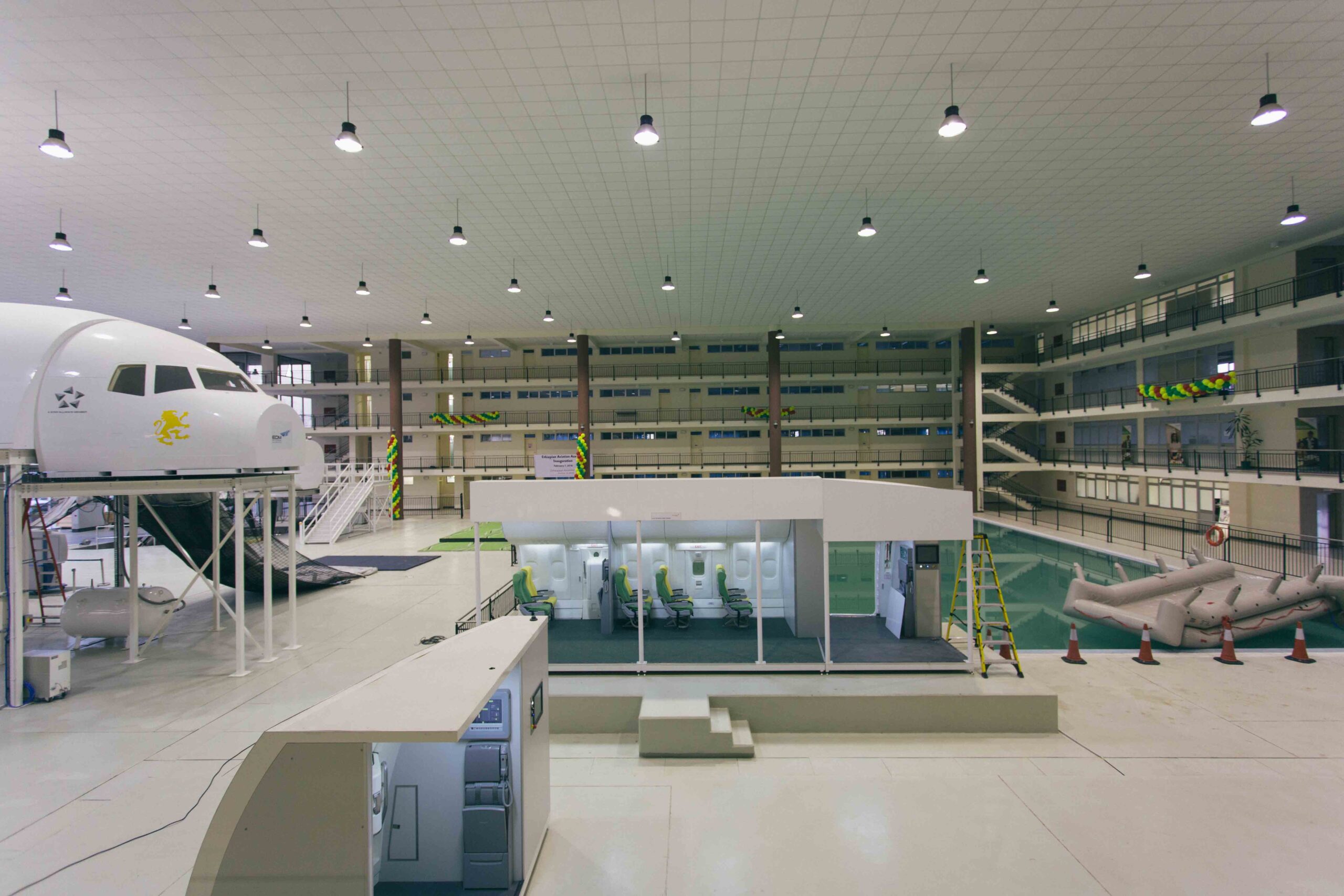
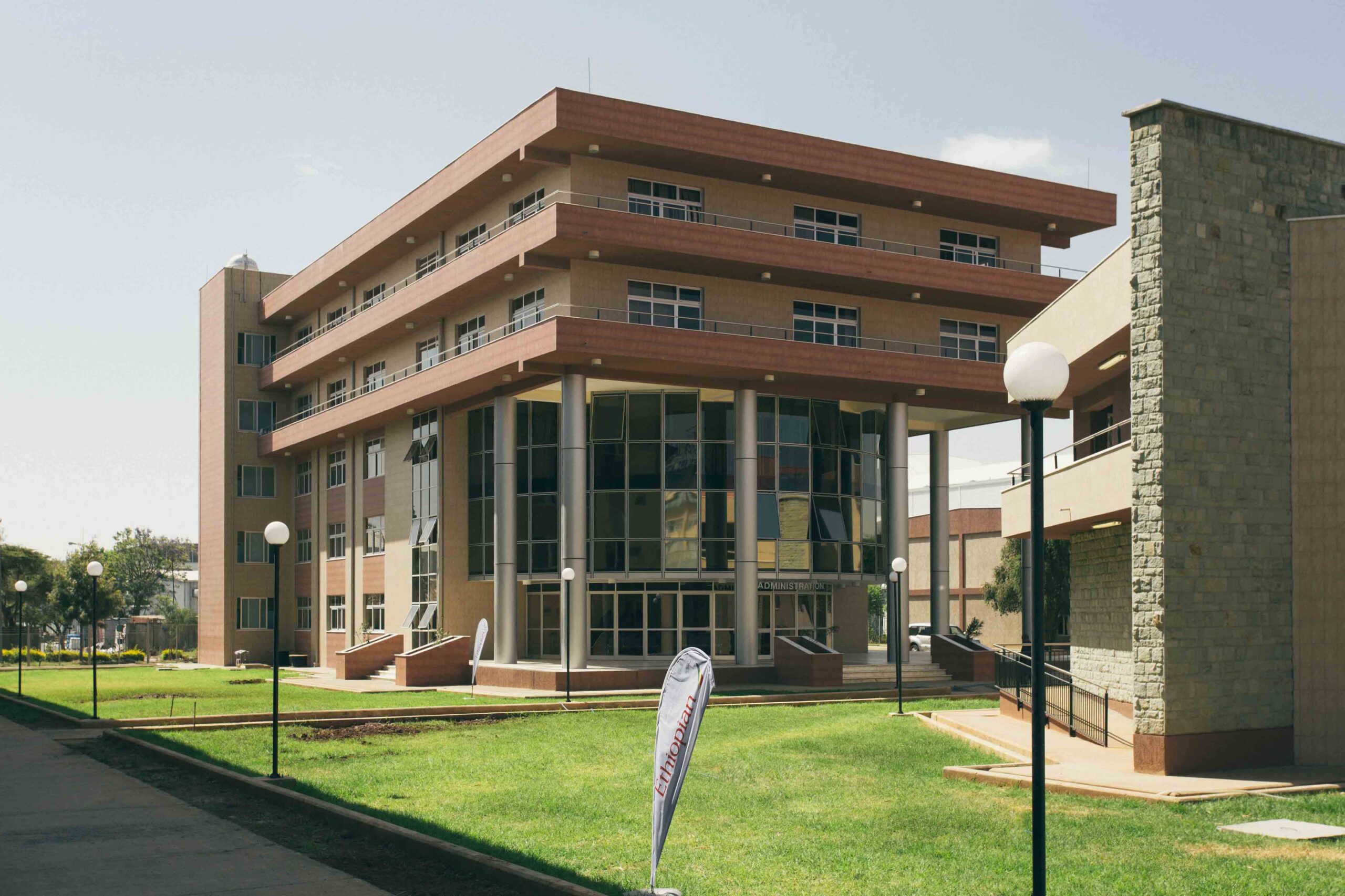
- Aviation Academy facilities
- Crew Briefing and CIP/FBO Facility
- Q400 and Boeing 777 Simulator Building
Each project required precise execution, coordination among multiple stakeholders, and adherence to demanding operational requirements.
The lesson is simple:
Complex organizations tend to prioritize capability and reliability when selecting project partners.
Looking Beyond the Lowest Bid
Many procurement processes place excessive emphasis on initial cost.
However, construction projects generate costs long after handover.
Project owners should consider:
Build Quality
Poor workmanship often results in costly maintenance and operational disruption.
Lifecycle Performance
How will the building perform five, ten, or twenty years from now?
Schedule Reliability
Delays can affect operations, revenue, financing, and stakeholder confidence.
Risk Management
Can the contractor identify and mitigate risks before they become problems?
When viewed through this lens, value often matters more than price alone.