Ethiopia’s tourism sector is entering a new phase.
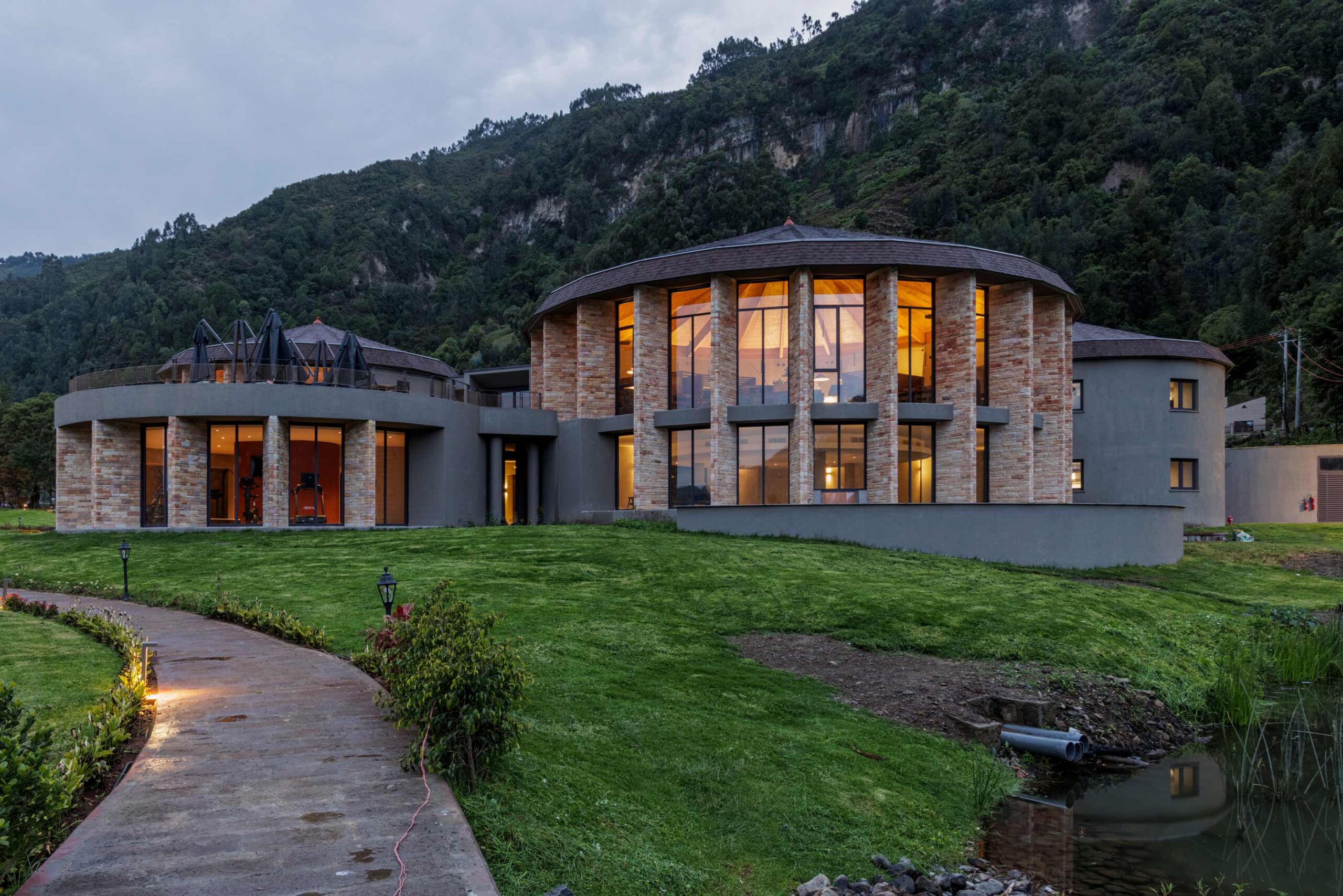
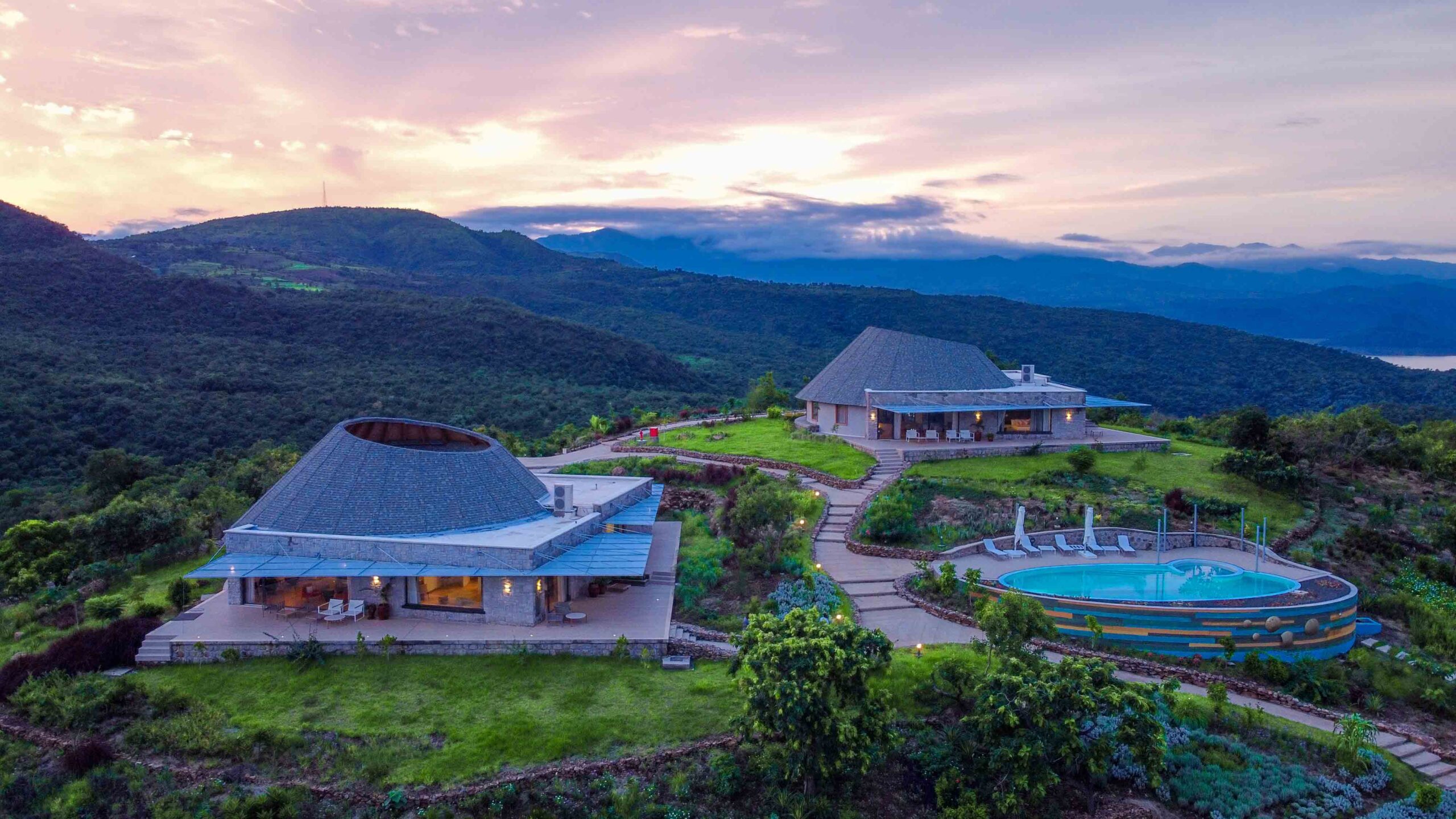
As infrastructure improves and destinations become more accessible, investors are increasingly exploring eco-lodges, luxury retreats, and nature-based hospitality developments. From the highlands of Wenchi to the forests of Halala Kella, developers are discovering opportunities to create destinations that combine tourism, conservation, and community impact.
Yet building an eco-lodge is fundamentally different from constructing a hotel in an urban center.
Remote locations, environmental considerations, infrastructure limitations, and operational realities all shape how these projects must be planned and delivered.
For developers considering an eco-lodge investment in Ethiopia, understanding these factors early can significantly improve project outcomes.
Why Eco-Lodges Are Growing in Ethiopia
Global tourism trends increasingly favor authentic experiences, sustainability, and nature-based travel.
Travelers are seeking:
- Remote destinations
- Cultural immersion
- Environmental responsibility
- Wellness-focused experiences
- Smaller, experience-driven accommodations
Ethiopia possesses many of the ingredients that make eco-tourism attractive:
- Diverse landscapes
- National parks
- Lakes and forests
- Cultural heritage sites
- Growing domestic tourism
As a result, eco-lodges are becoming an increasingly important part of the country’s hospitality sector.
However, successful eco-tourism developments require more than beautiful scenery.
They require thoughtful planning from day one.
Site Selection Matters More Than Most Developers Think
The success of an eco-lodge often begins long before construction starts.
Many developers focus primarily on views and location, but operational considerations are equally important.
Key questions include:
- How accessible is the site?
- What road infrastructure exists?
- How will materials reach the project?
- Is there reliable access to water?
- How will power be supplied?
- What environmental restrictions apply?
Remote locations may offer spectacular experiences for guests but can create significant challenges during construction.
A site that appears attractive on paper may become far more expensive to develop once logistics are fully understood.
Designing for the Environment
Unlike conventional hotels, eco-lodges are expected to work with their surroundings rather than dominate them.
Successful developments often incorporate:
- Existing topography
- Natural vegetation
- Local materials
- Climate-responsive design
- Minimal site disturbance
Good eco-lodge design seeks to preserve the qualities that attracted visitors in the first place.
Developers who ignore environmental considerations often find themselves facing higher costs, regulatory challenges, and weaker guest experiences.
Logistics Can Make or Break a Project
One of the biggest challenges in hospitality construction is logistics.
Urban construction projects benefit from established supply chains and contractor access.
Eco-lodges often do not.
Construction teams may need to transport:
- Cement
- Steel
- Equipment
- Finishing materials
- Furniture
- Specialized systems
Across difficult terrain and over long distances.
Every logistical challenge affects cost, schedule, and risk.
This is why hospitality developments in remote locations require contractors with experience beyond conventional building projects.