Choosing the wrong construction company in Ethiopia is an expensive mistake. Not just financially, though the cost overruns, delays, and rework are significant. It costs you time you cannot recover, relationships with stakeholders who expected delivery, and in some cases, a building that does not meet the standard it should.
The challenge is that the Ethiopian construction sector has thousands of registered firms, and on the surface many of them look similar. They have websites, project photos, and confident sales conversations. What separates a firm that will deliver from one that will not is rarely visible at first glance. It becomes visible when you know what to look for.
This guide covers the seven criteria that matter most, why each one counts in the Ethiopian context specifically, and the questions you should ask before you sign anything.
1. Registration and Grade Classification
The first filter is not optional. Every contractor operating legally in Ethiopia must be registered with the Ministry of Urban Development and Infrastructure and hold a valid grade classification. Ethiopia classifies contractors into different grades and categories based on their technical, financial, equipment, and professional capacity. Grade 1 is the highest classification within the relevant general contracting categories.
Grade classification is not just a formality. It determines the project values a contractor is legally permitted to take on, the minimum staffing and equipment they must maintain, and the level of professional engineering leadership their technical team must have. A Grade 1 General Contractor must be led by a registered Professional Engineer IV or above and maintain a permanent technical workforce of qualified engineers and engineering aides.
For large or technically demanding commercial, industrial, and institutional projects, Grade 1 contractors are often worth prioritising because their classification reflects a higher level of technical and financial capacity. Below that threshold, you are either working with a firm that lacks the capacity for your project or one that is legally operating outside its permitted scope.
2. Relevant Sector Experience
Registration tells you a contractor is legally permitted to operate. It does not tell you whether they have built anything like what you need.
A firm that has spent a decade delivering residential apartments in Addis Ababa is not automatically equipped to build an industrial facility, a hospitality development, or a diplomatic compound. These sectors have different technical requirements, different regulatory environments, and different client expectations.
Research published in Cogent Engineering in December 2024 — specifically examining contractor selection criteria in Ethiopia — identified bid price as the highest-weighted criterion, followed by project delivery performance, experience on similar types and sizes of projects, and the qualification and experience of staff. This reflects a practical reality: construction knowledge is domain-specific. A contractor who has never built in your sector will spend part of your budget learning how.
Look at the actual project list, not just the headline claims. What has the contractor built, for whom, and at what scale? Are there projects in your sector that are comparable in complexity and value to what you are planning?
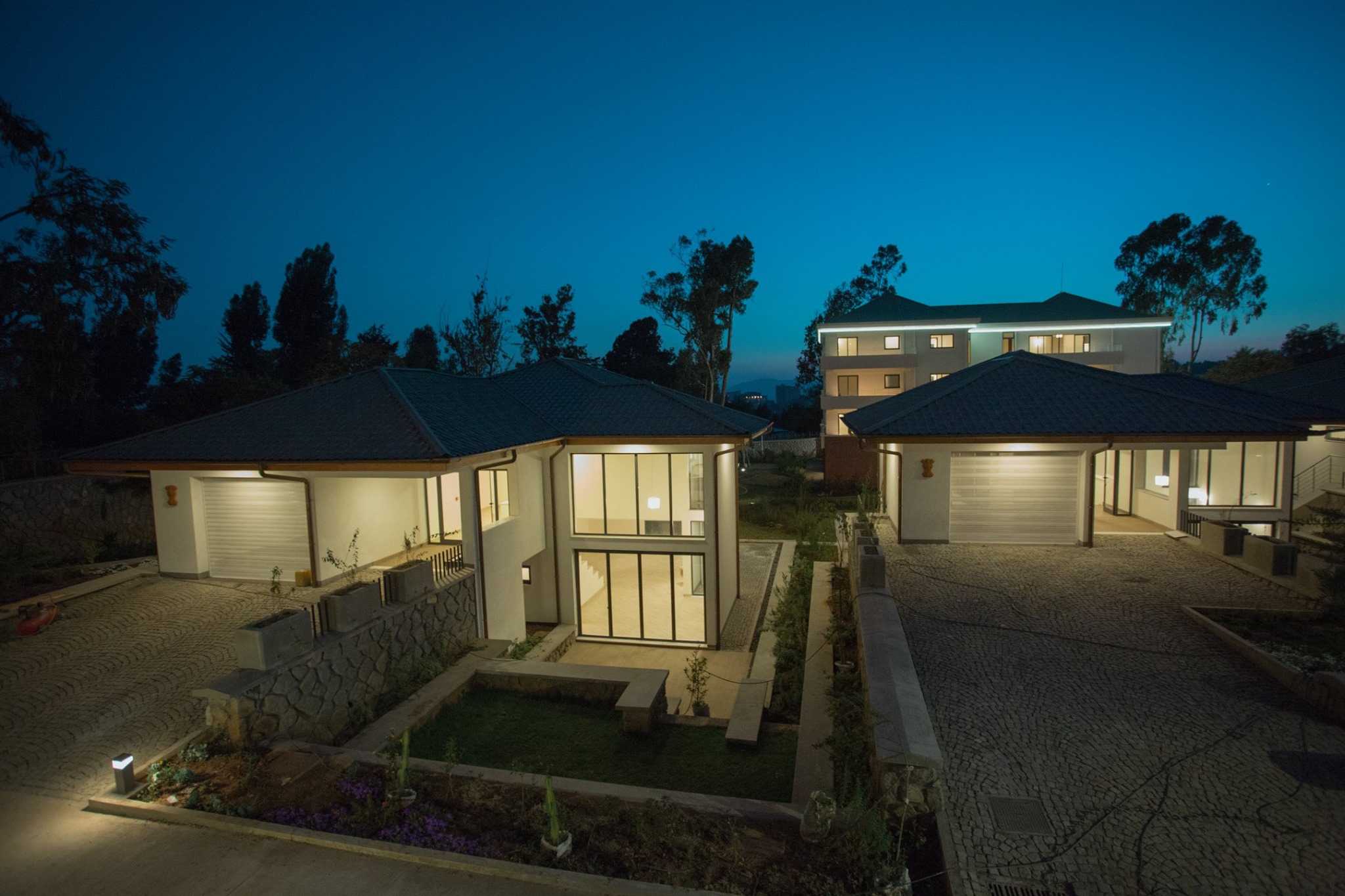
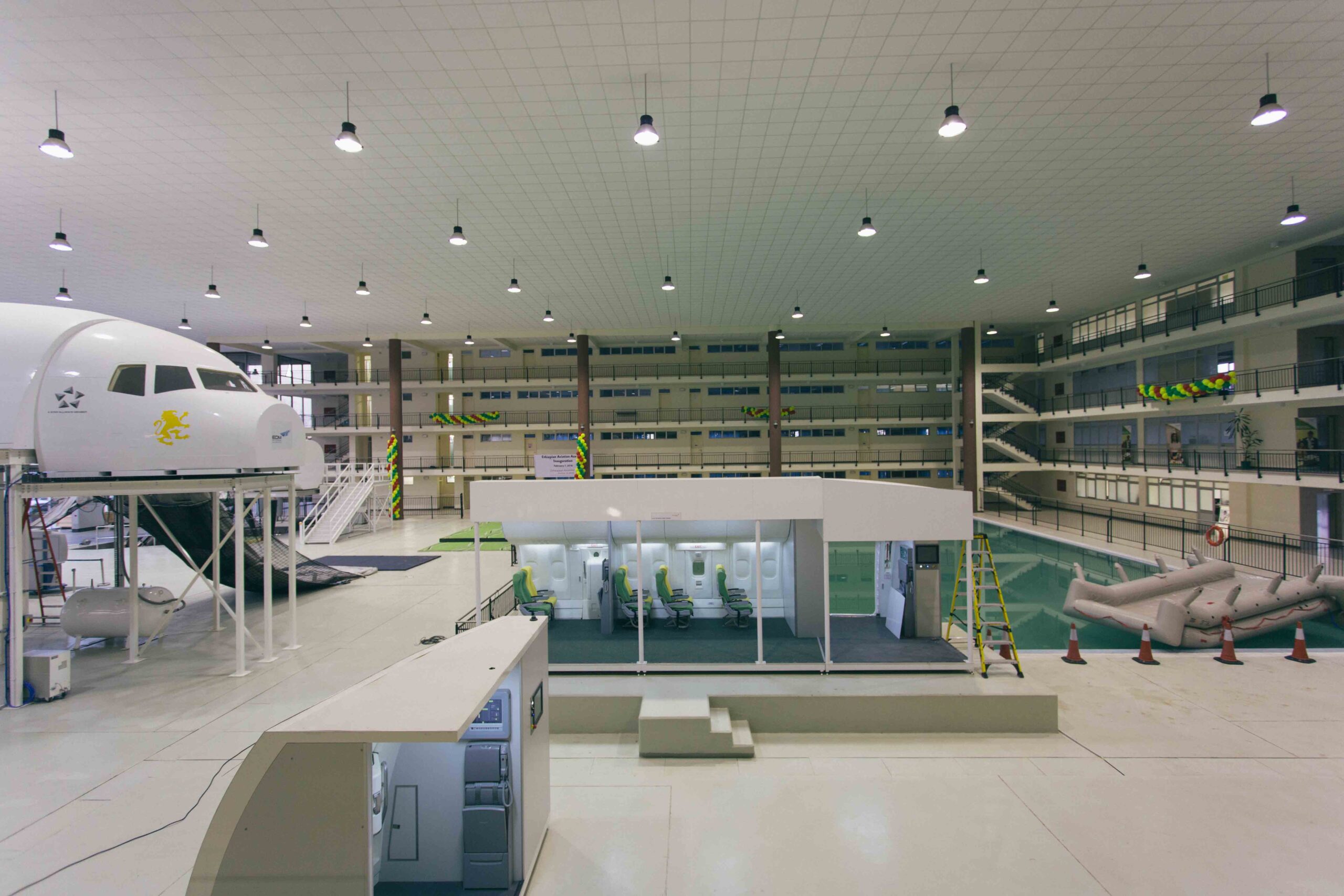
Elmi Construction’s portfolio spans commercial and residential development, embassy and diplomatic compounds, industrial facilities including breweries and malting plants, healthcare facilities, aviation infrastructure, and eco-lodge hospitality development. That breadth is not accidental — it reflects a firm that has built the systems and experience to operate across demanding, technically distinct project types.
What to ask: Ask for a list of completed projects in your specific sector, with client contacts. Call those clients. Ask whether the project was delivered on time, within budget, and to the quality specified.
3. Financial Capacity
Construction is a cash-flow-intensive business. A contractor who cannot manage their finances will manage yours poorly by default. Materials will be delayed because payment to suppliers is overdue. Subcontractors will slow down because they have not been paid. Site supervisors will be diverted to other projects where cash is more available.
Financial weakness in a contractor does not always show up at the contract stage. It shows up mid-project, when things start to slip and the explanations do not quite add up.
For Grade 1 contractors in Ethiopia, the Ministry requires demonstrated financial standing. But the registration requirement sets a floor, not a ceiling. You should go further.
What to ask: Request audited financial statements for the past two to three years. Ask whether the firm has any current litigation or outstanding payment disputes with previous clients. Ask about their bonding capacity — the ability to provide a performance bond for your project. Ask about their bonding capacity and whether they can provide the performance security required for your project.