Design-Build vs Design-Bid-Build: A Guide to Choosing the Right Construction Delivery Method

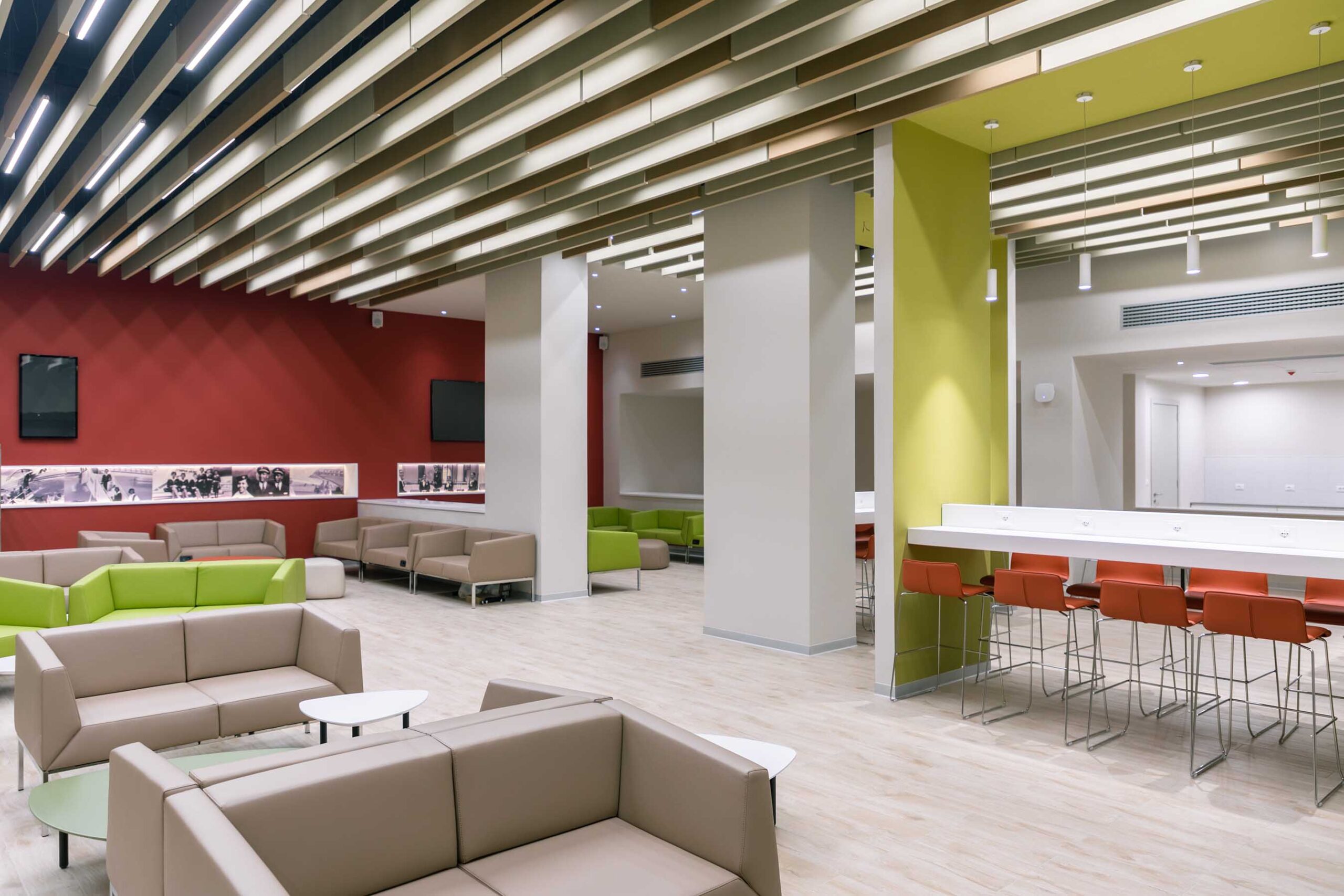
ET- Waiting Lounge (9)

When planning a construction project, one decision influences almost every outcome that follows: how the project will be delivered.

Whether you’re developing a hotel, commercial office, industrial facility, healthcare centre, educational campus, or mixed-use development, the construction delivery method you choose shapes far more than contracts and responsibilities. It affects how quickly your project progresses, how effectively risks are managed, how costs are controlled, and how well the entire project team works together.

For many project owners, the choice comes down to two established delivery methods: Design-Build (DB) and Design-Bid-Build (DBB).

Both have delivered successful projects around the world for decades. Neither is inherently better than the other. The right choice depends on your project’s objectives, complexity, timeline, procurement requirements, and the level of collaboration you expect throughout the construction process.

This guide explains how both delivery methods work, where each performs best, and how to determine which approach is right for your next project.

Why the Delivery Method Matters

Before discussing the two approaches, it’s worth understanding why this decision matters in the first place.

Many project owners focus on selecting an architect or comparing contractor prices. While those decisions are important, the delivery method establishes the framework that governs every stage of the project.

It determines:

  • How design and construction teams collaborate
  • When contractors become involved
  • How risks are allocated
  • How changes are managed
  • How quickly decisions are made
  • Who is accountable for project outcomes

Choosing the right delivery method creates alignment from the outset. Choosing the wrong one can lead to communication gaps, delays, budget pressures, and avoidable disputes.

Understanding Design-Build

Design-Build is an integrated construction delivery method where one organization is responsible for both the design and construction of a project.

Instead of hiring designers first and appointing a contractor later, the client works with a single Design-Build team from the beginning.

This team typically includes architects, engineers, project managers, estimators, procurement specialists, and construction professionals who collaborate throughout the project lifecycle.

Rather than operating independently, everyone works toward the same project objectives from day one.

Why Many Clients Choose Design-Build

Faster Project Delivery

One of Design-Build’s greatest advantages is efficiency.

In a traditional process, construction cannot begin until the design has been completed and contractors have been selected.

Design-Build allows certain design, procurement, and construction activities to progress simultaneously where appropriate.

This overlap can significantly reduce project duration, allowing facilities to become operational sooner.

For commercial developments, hospitality projects, and industrial facilities, earlier completion often means earlier revenue generation.

Better Collaboration

Because designers and construction professionals work together from the earliest planning stages, potential issues can often be identified before they become costly site problems.

Engineers can coordinate structural systems more effectively.

Construction managers can recommend practical construction methods.

Procurement teams can identify materials with shorter lead times.

Instead of solving problems during construction, the project team works to prevent them during planning.

Greater Cost Certainty

Construction costs rarely remain static.

Material prices change.

Supply chains evolve.

Labour availability fluctuates.

Design-Build allows these realities to be considered throughout the design process.

Rather than discovering budget challenges after tendering, the project team continuously evaluates design decisions against project costs, helping owners make informed decisions before construction begins.

One Point of Accountability

Perhaps the greatest benefit for many clients is simplicity.

Instead of managing separate relationships with architects, engineers, contractors, and consultants, the owner works with a single delivery partner responsible for coordinating the entire project.

This creates clearer accountability and simplifies communication throughout the project.

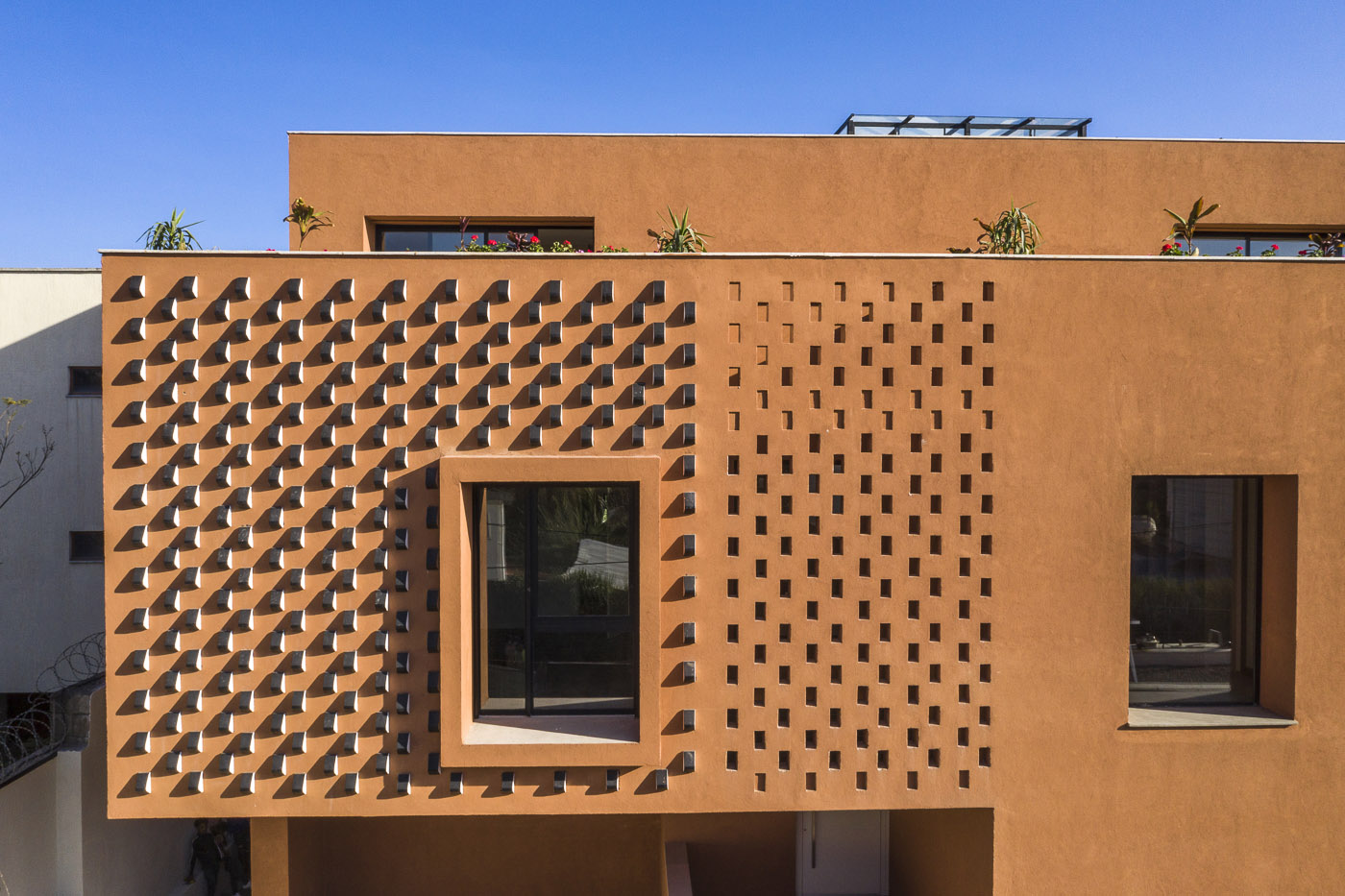
Elmi Olando-85

Key Insight

Design-Build works particularly well for projects where collaboration, speed, innovation, and efficient decision-making are priorities.

Understanding Design-Bid-Build

Design-Bid-Build is the traditional construction delivery method and remains widely used across public and private sector projects.

Unlike Design-Build, the process follows a sequential path.

First, architects and engineers complete the design.

Next, contractors submit competitive bids based on the finished construction documents.

Finally, the selected contractor delivers the project according to the approved design.

This clear separation between design and construction has been the industry standard for many years.

Why Clients Still Choose Design-Bid-Build

Competitive Procurement

One of the main strengths of Design-Bid-Build is competitive tendering.

Because multiple contractors price the same completed design, owners can compare proposals using a common scope of work.

For projects governed by public procurement requirements or formal bidding procedures, this approach provides transparency and fairness during contractor selection.

Independent Design Representation

Architects and engineers remain directly accountable to the client throughout the design process.

Many owners appreciate having an independent design consultant who can review construction quality, monitor compliance with the design intent, and provide professional oversight during construction.

Clearly Defined Scope Before Construction

Since the design is completed before procurement begins, project requirements are generally well documented before construction starts.

This structured process can reduce uncertainty during tendering and help contractors prepare more accurate bids.

Where Design-Bid-Build Can Be Challenging

While Design-Bid-Build offers several advantages, it also presents limitations.

Because contractors are introduced only after the design is complete, opportunities to improve constructability, optimize costs, or refine construction sequencing may be missed during the planning stage.

If significant design changes become necessary after tendering, they can affect both budget and schedule.

Owners must also coordinate separate contracts with designers and contractors, which can increase administrative effort and occasionally lead to disagreements over responsibility when challenges arise.

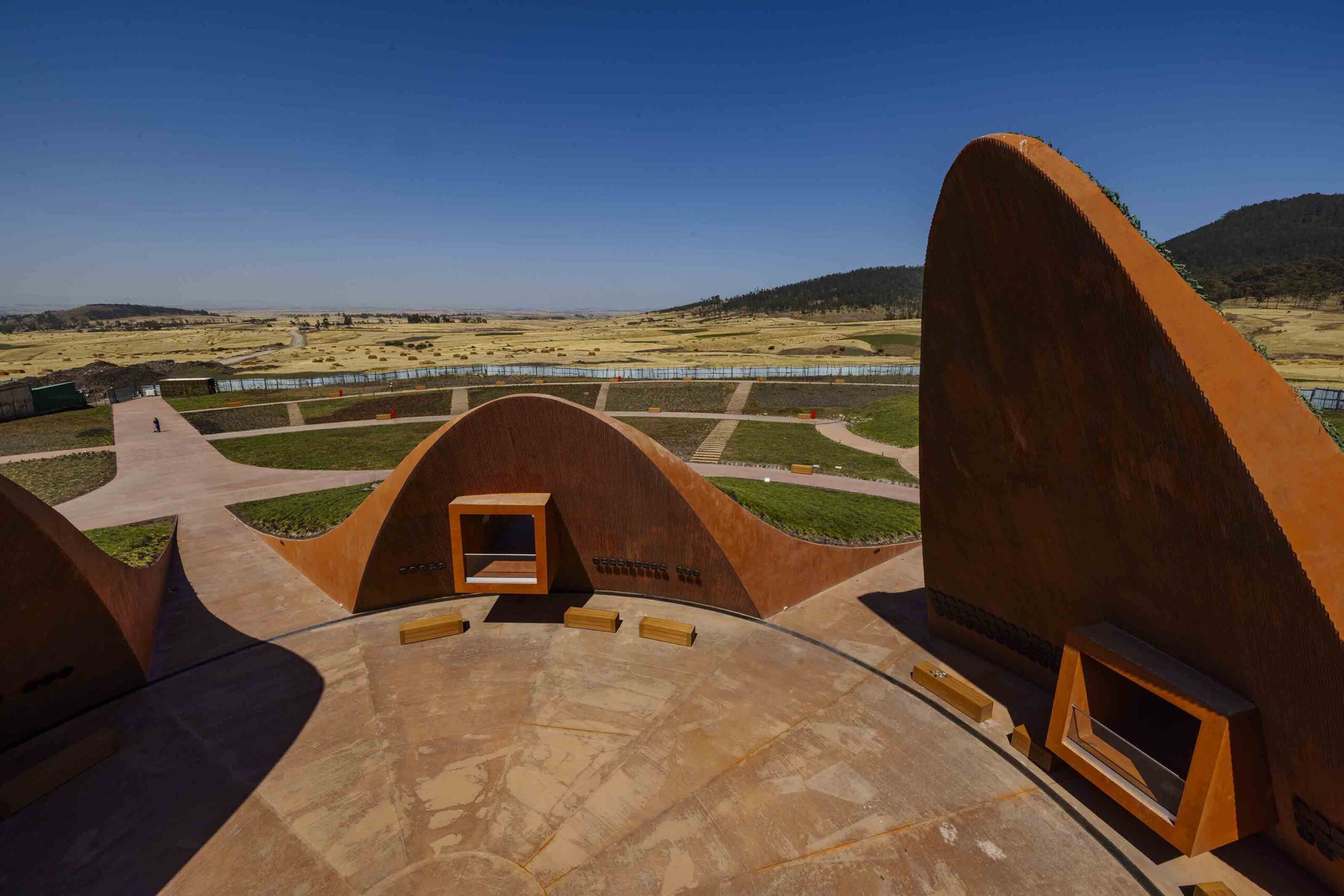
ET-302 Memorial Park_by Aron Simeneh-5812

Design-Build vs. Design-Bid-Build at a Glanc

Design-BuildDesign-Bid-Build
Single contract for design and constructionSeparate contracts for design and construction
Collaborative from the startSequential process
Early contractor involvementContractor appointed after design completion
Faster deliveryLonger procurement timeline
Continuous cost managementCompetitive pricing after design completion
One point of accountabilityOwner coordinates multiple parties
Best suited for speed and collaborationBest suited for formal procurement and independent design oversight

How to Choose the Right Delivery Method

Rather than asking which method is better, project owners should ask which method best supports their project’s priorities.

Choose Design-Build if your project values:

  • Accelerated delivery
  • Integrated collaboration
  • Early cost management
  • Simplified communication
  • Flexibility during design development
  • A single point of accountability

Choose Design-Bid-Build if your project requires:

  • Formal competitive tendering
  • Independent architectural oversight
  • Fully completed designs before procurement
  • Compliance with public procurement processes
  • Clearly defined scope before contractor engagement

The right choice is rarely about industry trends. It is about selecting the delivery model that aligns with your project’s goals, governance requirements, and risk profile.

Common Mistakes Project Owners Make

Selecting the right delivery method is only part of the equation. Even well-planned projects can encounter setbacks when early decisions don’t align with the project’s goals or complexity.

Here are some of the most common mistakes project owners make before construction begins.

Choosing Based on Price Alone

The lowest construction bid doesn’t always result in the lowest overall project cost.

Projects should be evaluated based on total value, including construction quality, programme certainty, long-term operating costs, and risk management. An approach that appears less expensive initially may lead to higher costs if changes, delays, or coordination issues arise later.

Engaging the Contractor Too Late

Contractors bring practical knowledge about construction methods, sequencing, procurement, and market conditions. When they are involved only after the design is complete, opportunities to improve efficiency or identify potential challenges may already have been missed.

Early collaboration often leads to more informed decisions and smoother project delivery.

Underestimating Project Complexity

As projects become larger and more technically demanding, coordination between multiple disciplines becomes increasingly important.

Hotels, healthcare facilities, industrial developments, and mixed-use projects often involve complex structural, mechanical, electrical, and operational requirements. Choosing a delivery method that supports close collaboration can help reduce coordination risks throughout the project lifecycle.

Focusing Only on Construction

Successful projects begin well before work starts on site.

Feasibility studies, budgeting, planning, design coordination, procurement strategy, and stakeholder alignment all influence the final outcome. Viewing construction as only the execution phase overlooks the decisions that have the greatest impact on project success.

013droneDJI_0474

Construction Delivery in Ethiopia and East Africa

The construction industry across Ethiopia and the wider East African region continues to evolve as investment in commercial, hospitality, industrial, healthcare, and infrastructure projects grows.

At the same time, project teams must navigate changing material availability, evolving regulatory requirements, supply chain considerations, and ambitious delivery schedules.

These realities make early planning and effective collaboration increasingly important.

For many developments, the ability to coordinate design decisions with procurement strategies and construction planning from the outset helps reduce uncertainty and improve project outcomes.

Regardless of the delivery method selected, success depends on assembling the right team, establishing clear communication, and maintaining disciplined project management throughout the project lifecycle.

How Elmi Approaches Project Delivery

At Elmi Construction, we recognise that every project has unique objectives, stakeholders, and operational requirements. There is no one-size-fits-all delivery method.

Our role is to help clients identify the approach that best supports their vision while balancing quality, cost, programme, and long-term value.

From the earliest planning stages, we work closely with clients, consultants, and project stakeholders to establish clear objectives, identify potential risks, and develop practical delivery strategies tailored to each project.

Whether supporting an integrated Design-Build approach or collaborating within a traditional Design-Bid-Build framework, our focus remains the same:

  • Deliver projects safely and efficiently.
  • Maintain transparency throughout the project lifecycle.
  • Apply sound engineering and construction practices.
  • Build lasting value for our clients and the communities they serve.

By combining technical expertise with disciplined project management, we help clients move from concept to completion with confidence.

A Simple Decision Framework

If you’re still deciding between Design-Build and Design-Bid-Build, consider the following questions:

If your priority is…Consider…
Completing the project as quickly as possibleDesign-Build
Formal competitive tenderingDesign-Bid-Build
A single point of responsibilityDesign-Build
Independent architectural oversightDesign-Bid-Build
Early collaboration between designers and buildersDesign-Build
Clearly defined designs before selecting a contractorDesign-Bid-Build

While this framework provides a useful starting point, every project has unique considerations. Seeking professional advice during the planning stage can help ensure the chosen delivery method aligns with the project’s objectives and risk profile.

Conclusion

Choosing between Design-Build and Design-Bid-Build is not simply a procurement decision. It is a strategic choice that influences how your project is planned, managed, and delivered.

Design-Build offers an integrated approach that supports collaboration, streamlined communication, and faster delivery. Design-Bid-Build provides a structured process with competitive tendering and independent design oversight.

Neither method is universally better. The right choice depends on the specific needs of your project, the level of collaboration required, and the outcomes you want to achieve.

At Elmi Construction, we believe successful projects begin with informed decisions. By understanding the strengths of each delivery method and aligning them with your project’s objectives, you create a stronger foundation for quality, efficiency, and long-term success.

If you’re planning a commercial, hospitality, industrial, institutional, or mixed-use development, our team can help you evaluate the delivery approach that best supports your goals and guide your project from concept to completion.

Frequently Asked Questions

Not necessarily. Design-Build often improves cost certainty by integrating budgeting into the design process, while Design-Bid-Build may benefit from competitive tendering. The overall cost depends on project scope, complexity, procurement strategy, and execution.

Design-Build is generally faster because design and construction activities can overlap. Design-Bid-Build follows a sequential process, which may extend the overall project timeline.

Design-Bid-Build offers greater direct involvement in managing separate design and construction contracts. Design-Build simplifies project management by assigning overall responsibility to a single delivery team.

Yes. Design-Build is widely used for commercial, hospitality, industrial, healthcare, and institutional developments where coll

The best choice depends on your project’s goals, procurement requirements, budget, timeline, complexity, and preferred level of involvement. Consulting an experienced construction partner early in the planning process can help you evaluate the most appropriate approach.

Share the Post:

Related Articles